
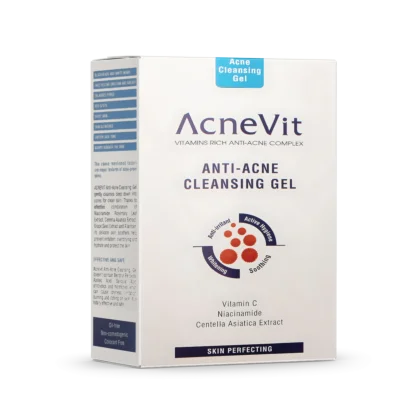
Acnevit Anti Acne Facial Cleansing Gel
Supports skin clarity by neutralizing surface bacteria and promoting a balanced, even complexion without harsh irritation.
Living with skin that is prone to daily breakouts can feel exhausting, especially when you feel like you have tried everything to clear your complexion. Acne-prone skin often requires a balanced approach to clear pores and reduce irritation. Two formulations are listed below: the Acnevit Anti Acne Facial Cleansing Gel and the Picspot Gel, which utilize targeted active ingredients.
Supports skin clarity by neutralizing surface bacteria and promoting a balanced, even complexion without harsh irritation.
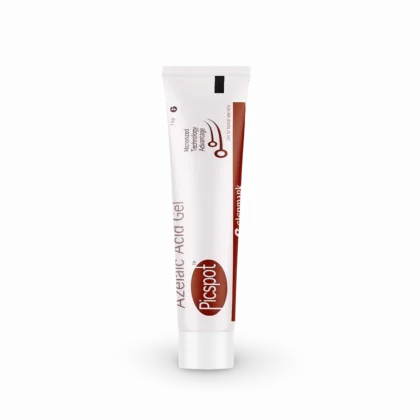
Targets acne-causing bacteria and reduces skin inflammation through a dual-action antibiotic and vitamin-based formula.
Acne-prone skin is a chronic condition that develops when hair follicles in the skin become blocked by an overproduction of natural oils and the buildup of dead skin cells. This buildup creates an environment where bacteria can thrive, leading to inflammation that manifests as surface blemishes, deep cysts, or clogged pores. Because the skin barrier is often compromised, this condition can feel unpredictable and persistent.
Beyond the physical discomfort of redness or tenderness, the condition frequently impacts how you feel about your appearance in social or professional settings. You might notice that your skin reacts strongly to hormonal shifts, certain skincare products, or external environmental triggers. Understanding that this is a common physiological response—rather than a reflection of your personal habits—is the first step toward managing your skin health with care.
Management typically centers on normalizing skin cell turnover and reducing the bacterial load within the follicles. Treatment approaches often combine gentle cleansing to remove excess sebum with medicated topical agents that work to unclog pores. Across global markets, including international hubs where these products are common, experts emphasize consistency over aggressive treatment, as the skin needs time to recalibrate.
Topical agents are the mainstay for addressing current breakouts and preventing new ones from surfacing. These medications generally fall into categories like retinoids, which encourage cell turnover to prevent blockages, and topical antibiotics, which decrease the bacteria count on the skin surface. Most users find that combining a soothing routine with these specific agents provides the most sustainable results for their individual skin type.
Understanding the differences between treatment classes allows you to communicate more effectively with a healthcare professional about what your skin needs. While one person may benefit from the peeling and turnover properties of a retinoid, another might require an antibacterial approach to soothe inflamed lesions. Each class interacts with the skin differently.
Retinoids are derivatives of Vitamin A that speed up the process of skin cell renewal. By preventing dead cells from clumping together inside the follicle, they stop blockages before they turn into visible pimples. These are often used as a long-term approach to keep the skin clear and prevent future congestion.
These treatments focus on targeting the bacteria that colonize clogged pores. By reducing the bacterial population and associated inflammation, these gels or creams help calm existing breakouts and reduce redness. They are often applied directly to the affected area to manage flare-ups as they occur.
It is important to assess your skin’s current sensitivity level before introducing new topical agents. Medications that promote cell turnover can initially cause the skin to feel dry or reactive. Starting with a lower frequency of application allows your skin barrier to adapt to these potent active ingredients without unnecessary irritation.
Topical treatments for acne differ in how they impact the skin’s sensitivity to sunlight. Many retinoids, for example, can make the skin more prone to sunburn, necessitating the use of consistent sun protection. If you notice persistent peeling, intense burning, or allergic-like redness, pause the treatment and evaluate the ingredients currently on your skin.
Always consider your entire skincare regimen when introducing a new medicated product, as combining multiple harsh active ingredients at once can weaken your skin barrier. If you are using other systemic or topical medications for different conditions, mention these to a provider to avoid cross-reactivity. Product labeling and verified clinical sources remain the correct references for specific contraindications, interactions, and potential reactions.
This page provides an educational overview of acne-prone skin and the medication categories listed—not medical advice. Individual products differ in active ingredient, formulation, strength, and directions. The page does not authorize self-directed selection, clinical interpretation, or unsupervised use. Readers should review individual product labeling and speak with a healthcare professional when clinical judgment is needed.