
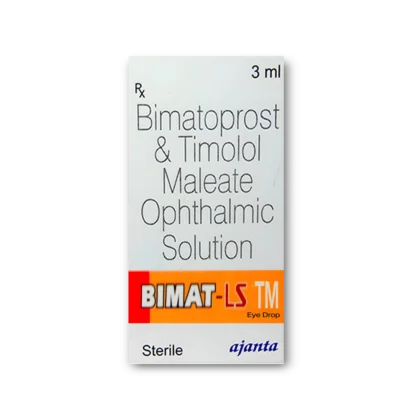
Bimat LS TM Eye Drop
Reduces intraocular pressure by increasing fluid drainage and lowering production rates in the eye tissue.
Timolol (Timoptic) is a beta-blocker widely recognized for its role in managing high pressure inside the eye. It works by limiting how much fluid the eye produces, which helps keep pressure at a stable level. Two formulations are listed below: Bimat LS TM Eye Drop and Bimat-T Eye Drop, both focusing on ophthalmic application.
Reduces intraocular pressure by increasing fluid drainage and lowering production rates in the eye tissue.
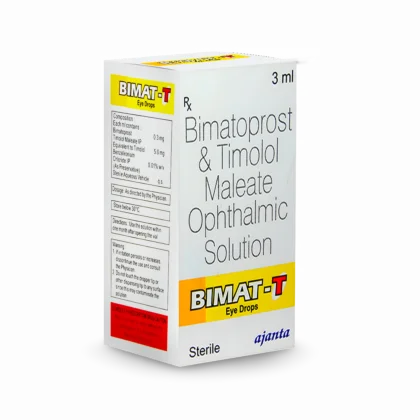
Reduces elevated fluid pressure within the eye by increasing drainage and curbing excess fluid production.
Timolol belongs to a class of drugs known as beta-adrenergic antagonists, or more simply, beta-blockers. While many beta-blockers are used for heart-related issues, this specific form is designed for direct application to the eye. It is the active ingredient in various eye drops used to address conditions where high intraocular pressure poses a risk to vision.
When you use this medication, your eye decreases its natural production of aqueous humor. This is the clear fluid that fills the front part of your eye. By slowing down the rate at which this fluid is made, the drug helps prevent the buildup of pressure that can potentially damage your optic nerve over time.
Timolol is a regulated pharmaceutical ingredient across the world. In major markets like the United States, the United Kingdom, Australia, and Canada, it is typically accessible only with a prescription from a licensed healthcare provider. Because it directly influences eye pressure and has systemic absorption potential, clinical oversight is necessary to ensure the concentration and frequency of use align with your specific eye health needs.
Regulation remains consistent across international markets, prioritizing professional diagnosis before initiating therapy. If you are comparing formulations or considering a change in your routine, ensure your provider reviews your medical history, as local pharmacy standards can vary slightly in how they manage the distribution of ophthalmic medications among the public.
This medication is primarily used to manage ocular hypertension and open-angle glaucoma. Glaucoma is a group of conditions that can cause progressive damage to the optic nerve. By lowering the pressure within the eyeball, the medication supports the health of the nerve and preserves your field of vision.
It is sometimes used when other eye pressure management strategies are insufficient. Because it effectively targets the source of fluid accumulation, it serves as a common component in long-term care plans for those diagnosed with elevated intraocular pressure.
Your eyes rely on a constant balance between the production and drainage of fluid. In some people, too much fluid is produced or it does not drain efficiently, leading to internal pressure. Timolol blocks specific receptors in the ciliary body of your eye—the area responsible for producing the fluid—effectively sending a signal to “slow down” production.
When you apply the drops, the mechanism triggers a reduction in the volume of aqueous humor. This drop in volume creates more space within the eye, which lowers the physical tension exerted on sensitive internal structures. The result is a more manageable pressure level, which acts as a safeguard for your optic nerve.
Timolol is a non-selective beta-blocker. This means it interacts with two types of beta-receptors in your body—beta-1 and beta-2 receptors. While its primary ophthalmic use is localized, beta-blockers as a family are known for their ability to block the effects of stress hormones like adrenaline on the body’s cells.
In the context of eye health, this interaction is carefully focused on the tissues regulating fluid balance. The class is well-studied for its ability to moderate physiological responses to signals that would otherwise cause organs or tissues to behave more aggressively than necessary, such as increasing fluid output.
Confirm that your eye structure and current vision health are suitable for beta-blocker therapy. Inform your provider if you have a history of heart conditions, low heart rate, or respiratory issues like asthma, as these can be affected by the systemic absorption of ocular drops.
Some people experience temporary stinging, redness, or dryness immediately after using eye drops. Changes in vision clarity or sensitivity to light may also occur. If you notice persistent irritation or symptoms that interfere with your daily activities, these are signs that your provider should evaluate your current regimen.
Timolol may interact with other medications, particularly oral beta-blockers or certain heart-rhythm drugs. Because your liver and kidneys are involved in managing blood-level concentrations of any medication, disclose all other eye drops and systemic drugs you use. Product labeling and verified clinical sources remain the correct references for specific contraindications, interactions, and potential reactions.
This page provides an educational overview of Timolol and does not constitute medical advice or a recommendation for use. Individual products containing this ingredient may differ significantly in strength, formulation, and directions. This page does not authorize clinical application, self-directed interpretation, or unsupervised use of ophthalmic medication. Readers should review individual product labeling and speak with a healthcare professional when clinical judgment is needed for their vision health.