

Bactrim DS Tablet
Targets bacterial growth by blocking essential folate synthesis, providing broad-spectrum coverage for common respiratory and urinary conditions.
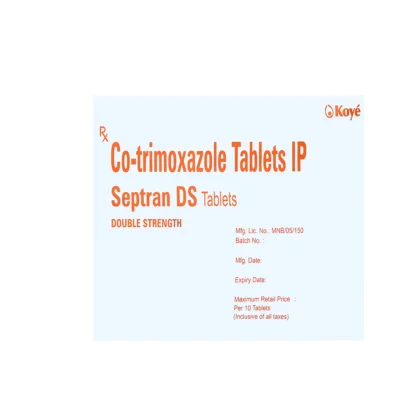
Sulfamethoxazole is a foundational sulfonamide antibiotic, a primary component in formulations like Bactrim and Septran that target bacterial infections. Used globally to address a variety of health conditions, this agent is often provided in combination with trimethoprim to enhance its antimicrobial impact. Two formulations are listed below, including Bactrim DS and Septran DS.
Targets bacterial growth by blocking essential folate synthesis, providing broad-spectrum coverage for common respiratory and urinary conditions.
Blocks bacterial production of essential folic acid to neutralize and prevent the spread of diverse bacterial infections.
Think of this ingredient as a targeted disruptor. It belongs to the sulfonamide class, which has been a staple in medical practice for decades. Rather than acting directly to destroy bacteria on contact, it works by interfering with the chemical processes that bacteria need to survive and multiply within your system.
Because of its specific mechanism, it is rarely used as a standalone compound. You will most commonly encounter it paired with trimethoprim. This combination creates a “double-punch” effect, blocking two different steps in the production of folate, a nutrient that bacteria must synthesize internally to grow. By cutting off this supply, the medication prevents the infection from progressing, giving your natural immune defenses the upper hand.
Access to medications containing this ingredient varies significantly across global markets like the United States, United Kingdom, Australia, and Canada. In almost all these regions, products containing it are strictly regulated and require a prescription from a licensed provider. You cannot typically obtain these tablets over the counter.
Because these medications are powerful tools for managing bacterial presence, healthcare authorities maintain strict oversight to ensure they are used only when necessary. This helps prevent the development of antibiotic resistance—a global phenomenon where bacteria adapt to survive treatments. Always speak with a local professional to determine if this treatment aligns with your specific clinical needs.
This ingredient is used to manage a wide range of bacterial infections. It is most frequently called upon to address urinary tract infections, where it works to clear the bacterial load causing discomfort. Additionally, it addresses certain skin infections, respiratory tract issues, and gastrointestinal complaints where susceptible bacteria are identified.
Healthcare providers look at the specific type of organism involved before suggesting this therapy. Because it is an antibiotic, it is ineffective against viral conditions, such as the common cold or influenza. Ensuring an accurate diagnosis is the most important step before starting any course of treatment.
Bacteria are clever organisms that manufacture their own folic acid to build DNA and replicate. Sulfamethoxazole sneaks into this process by imitating a naturally occurring chemical that the bacteria need. When the bacteria absorb the medication instead of the nutrient, their internal manufacturing line shuts down.
Once that pathway is blocked, the bacteria stop reproducing. They become vulnerable and eventually die off, allowing your body to clear the infection. The combination with trimethoprim is the key to why this works so well; while the medication targets the early stage of folic acid synthesis, its partner targets a later stage in the same biological process.
Sulfonamides, a family often nicknamed “sulfa drugs,” represent a historically significant class of antibiotics. They were among the first effective chemical treatments for systemic infections. Their unique ability to inhibit bacterial growth without immediately harming human cells established them as a cornerstone of infection care.
The structural design of all sulfa drugs allows them to distribute throughout your tissues, including those that are often hard to reach. While this class has expanded to include various formulations, the core mechanism of action remains the standard for managing targeted bacterial threats today.
Before you consider using this medication, it is essential to identify any known sensitivities to sulfonamides. Some people carry an inherited allergy to “sulfa” drugs, which can manifest as skin reactions or more severe sensitivities. You should also be aware of your current kidney and liver health, as your body clears this compound through these pathways.
Common experiences during treatment include digestive upset, nausea, or changes in how your skin reacts to sunlight. Because this medication alters your internal chemistry, maintaining good hydration is generally suggested to ensure your kidneys process the compound efficiently. Any unusual or severe symptoms should be communicated to a healthcare professional immediately.
This ingredient can interact with other medications, including blood thinners, certain diuretics, and medicine for blood sugar control. Pregnancy and breastfeeding are specific conditions where clinical guidance is mandatory, as the medication can influence natural folate levels in your body. Product labeling and verified clinical sources remain the correct references for specific contraindications, interactions, and potential reactions.
This information regarding Sulfamethoxazole is for educational purposes only and does not constitute medical advice or a recommendation for use. Individual products containing this ingredient may differ in formulation, strength, and specific directions. This page does not authorize clinical application, self-directed interpretation, or unsupervised use of antibiotic compounds. Readers should always review the specific labeling provided with their purchase and consult with a qualified healthcare professional when clinical judgment or medical oversight is needed.