
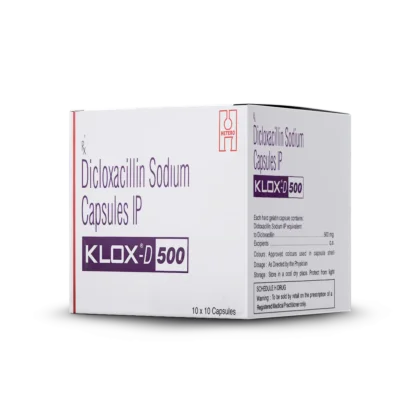
Klox D 500 mg
Targets specific bacterial cell wall structures to stop growth and manage persistent Staphylococcal infections.
Dicloxacillin is a penicillin-class antibiotic commonly known by the originator name Dynapen. It is specifically used to address infections caused by staphylococcal bacteria that produce penicillinase. The catalog below highlights Klox D 500 mg, a single generic formulation currently available to support your healthcare needs.
Targets specific bacterial cell wall structures to stop growth and manage persistent Staphylococcal infections.
You might encounter this compound if you are dealing with a bacterial infection that requires a targeted approach. Dicloxacillin belongs to the penicillinase-resistant penicillin family, which was developed to remain effective against bacteria that have evolved to break down standard penicillin. This makes it a primary choice when your infection is caused by specific strains of Staphylococcus.
Because different bacterial infections require varying concentrations, you will find this antibiotic primarily in oral capsule form. This allows the medication to reach your bloodstream efficiently after you take it, ensuring that enough of the compound is present to stop the spread of bacteria in your tissues.
Products containing this ingredient are strictly regulated as prescription-only medications across Australia, the United Kingdom, the United States, and Canada, as well as many other international markets. Because it is a potent antibiotic, its use is guided by clinical oversight to ensure it is the correct treatment for your specific infection and to prevent issues like antibiotic resistance.
In these jurisdictions, you will typically need a consultation with a healthcare professional to confirm that dicloxacillin is appropriate for your health history. Regulatory oversight exists to ensure that patients are assessed for potential allergies to penicillin, which is a vital safety step before beginning a course of treatment.
This medication is primarily used to address skin and soft tissue infections. If you have been diagnosed with conditions such as impetigo, folliculitis, or cellulitis caused by susceptible staphylococci, a provider may suggest this treatment to clear the infection. It effectively reduces inflammation, redness, and the formation of pus associated with these bacterial outbreaks.
In some cases, it is also used for infections that have settled in your bones, joints, or respiratory tract, provided the bacteria are identified as sensitive to the compound. It is not intended for viral illnesses like the common cold or flu, as antibiotics do not work on viruses.
When you take a dose, the compound travels into your bloodstream and seeks out binding proteins found on the surface of bacterial cells. It effectively binds to these proteins, which prevents the bacteria from constructing their own protective cell walls. Without a stable cell wall, the bacteria become weak, lose their structure, and eventually break apart.
Because this specific type of penicillin is designed to resist the enzymes produced by staphylococcal bacteria, it remains active where older penicillins might fail. This mechanism halts the rapid multiplication of the bacteria, giving your immune system the chance to clear the remaining infection from your body.
Dicloxacillin falls into the broader category of beta-lactam antibiotics. This class is unified by a specific chemical ring structure that allows them to attack the foundational building blocks of bacterial reproduction. Research into this class has spanned decades, focusing on finding ways to overcome bacterial defenses.
Understanding this class helps explain why it is treated differently than other antibiotics. While some classes target bacterial DNA or protein synthesis, dicloxacillin is a dedicated wall-builder inhibitor. This focused approach is why it remains a standard tool for addressing specific gram-positive bacterial challenges.
Always verify your history of allergies, specifically regarding penicillin or cephalosporin antibiotics. If you have a known history of severe allergic reactions to these drug classes, this medication is usually not suitable for you. Mention any ongoing health issues, such as kidney or liver conditions, to your provider so they can monitor how your body processes the antibiotic.
Common responses can include mild gastrointestinal discomfort, such as nausea or diarrhea, as the medication clears through your digestive system. While many people tolerate this antibiotic well, watch for signs of more significant reactions, including severe skin rashes, hives, or swelling. If you experience these, stop the medication and seek professional health assessment immediately.
Certain other medications can interfere with how this antibiotic works or how your body processes it. Tell your provider if you are taking blood thinners, oral contraceptives, or any other supplements. Product labeling and verified clinical sources remain the correct references for specific contraindications, interactions, and potential reactions.
This page provides an educational overview of dicloxacillin and is not medical advice. Individual products containing this ingredient may differ in strength and specific labeling instructions. This page does not authorize clinical application, self-directed interpretation, or unsupervised use of antibiotics. Readers should always review the specific labeling on their product and speak with a healthcare professional when clinical judgment is needed for their health condition.