
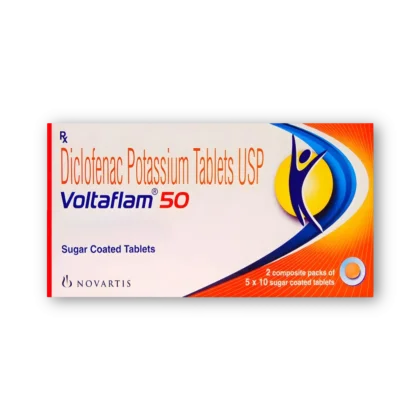
Voltaflam 50 Mg
Reduces pain and swelling by blocking chemicals in your body that trigger inflammatory responses at the source.
Diclofenac is a widely recognized medical compound used to address pain, swelling, and stiffness caused by inflammatory conditions. It functions as a non-steroidal anti-inflammatory drug (NSAID) by modifying your body’s chemical responses to injury or irritation. One formulation is listed below, specifically Voltaflam 50 mg tablets.
Reduces pain and swelling by blocking chemicals in your body that trigger inflammatory responses at the source.
You might already know this compound by common originators like Voltaren. It belongs to the acetic acid class of NSAIDs, which are drugs designed to stop your body from creating specific chemicals that signal pain. Because inflammation is a complex process, having different versions of this medication—such as systemic tablets or localized gels—allows for more targeted care depending on where the discomfort is located.
When you take it, the compound circulates through your system to block enzymes responsible for producing prostaglandins. These substances are essentially messengers that tell your nerves you are in pain or that a tissue is inflamed. By interrupting this communication, the compound helps quiet the inflammatory response in your muscles, joints, and connective tissues.
Regulations regarding this compound vary significantly across the United States, United Kingdom, Australia, and Canada, as well as other international markets. In many regions, oral tablets are strictly pharmacy-only or carry prescription requirements due to the way they interact with your digestive and circulatory systems. Topical versions, such as gels or sprays, are sometimes available without a prescription, depending on the concentration and the specific retail laws of your country. Always check your local pharmacy’s guidelines to see if a prescription is necessary for your specific needs.
This medication is primarily used to manage acute and chronic pain associated with conditions like rheumatoid arthritis, osteoarthritis, and ankylosing spondylitis. It is also common in the care of muscle strains, sprains, and back pain where inflammation is a primary driver of the discomfort. By reducing the physical symptoms of swelling, it often assists with improving mobility in affected joints.
The mechanism centers on the inhibition of cyclooxygenase (COX) enzymes. Your body uses these enzymes to convert fatty acids into prostaglandins, which are the fundamental drivers of inflammation and pain transmission. When you take the medication, it effectively turns down the volume on this production process. By keeping prostaglandin levels low, the compound reduces the intensity of pain signals being sent from damaged or inflamed tissues to your brain.
Diclofenac is part of the non-steroidal anti-inflammatory drug (NSAID) family. This class of medicine is defined by its ability to provide relief through a non-hormonal approach, distinguishing it from corticosteroids. Medications in this group are generally grouped by their effectiveness in easing both pain and fever, making them a staple for managing various musculoskeletal issues.
While all NSAIDs work on similar enzyme-blocking pathways, the subtle differences in their chemical structure mean that some people find one version of the drug more agreeable than another. This is why you will encounter a wide variety of formulations in the NSAID category, each tailored for different absorption speeds and localized needs.
Before you start using this or any NSAID, verify if you have a known sensitivity to aspirin or other anti-inflammatory drugs. It is also important to consider your current health status, especially regarding your digestive, cardiovascular, or renal health, as these systems help your body process the compound.
Common reactions to this class of medication often relate to the digestive tract. Some people may notice mild stomach discomfort or changes in digestion while using the compound. Because it affects how your body handles pain pathways, monitor how you feel during the first few days of use.
Diclofenac can interact with medications that thin your blood or those processed through similar pathways in your liver. If you have underlying conditions like hypertension or a history of stomach ulcers, you should be particularly cautious. Product labeling and verified clinical sources remain the correct references for specific contraindications, interactions, and potential reactions.
This page provides an educational overview of Diclofenac and is not medical advice. Individual products containing this ingredient may differ in formulation, strength, and specific directions for use. This information does not authorize clinical application, self-directed interpretation, or unsupervised use of the compound. You should always review the individual product labeling and speak with a healthcare professional when clinical judgment regarding your specific symptoms or health history is needed.