
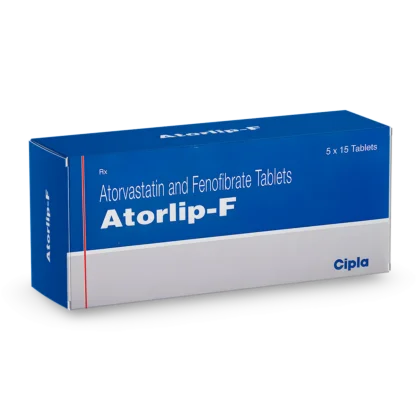
Atorlip F 10+145 Mg
Controls lipid production and lowers triglyceride levels to improve heart health markers and lipid profiles.
Atorvastatin (Lipitor) belongs to a class of medications called statins, widely used to manage cholesterol levels and support heart health. Four formulations are listed below, including Atorlip F and several strengths of Lipvas, offering you options to discuss with a provider when planning your approach to lipid management.
Controls lipid production and lowers triglyceride levels to improve heart health markers and lipid profiles.
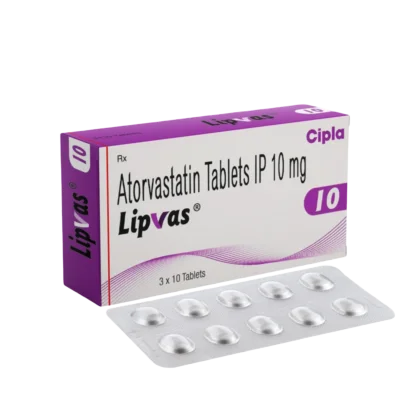
Reduces cholesterol production in the liver to improve heart health markers and support long-term cardiovascular stability.
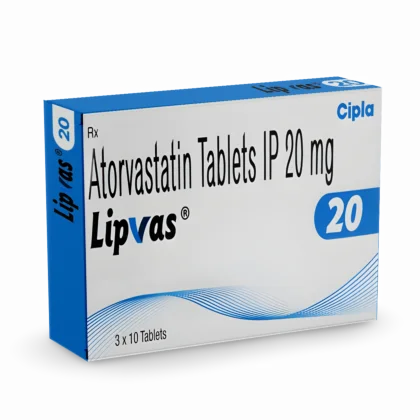
Reduces cholesterol production in the liver to support cardiovascular health and lower potential long-term heart risks.
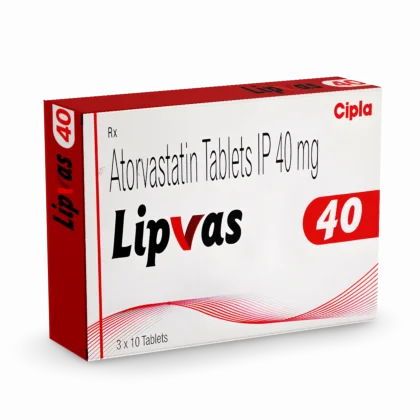
Reduces cholesterol production in your liver to support cardiovascular health and lower the risk of arterial plaque.
Atorvastatin is a pharmaceutical compound that acts as a HMG-CoA reductase inhibitor. You might recognize it by its originator brand, Lipitor. Doctors often suggest this medication when lifestyle changes—such as diet and exercise—are not enough to bring cholesterol numbers into a healthier range.
By interfering with the way your liver produces cholesterol, this compound helps maintain a more favorable balance of lipids in your bloodstream. Since cholesterol carries a genetic component, many people rely on this medication to address levels that remain high despite their best efforts to manage them through nutrition alone.
Products containing atorvastatin are subject to standard pharmaceutical regulations across the United States, United Kingdom, Australia, and Canada. In these and other global markets, this medication typically requires a prescription from a licensed healthcare provider. The regulatory oversight ensures that your clinical background is reviewed before you begin a course of treatment.
Regulatory requirements can vary depending on where you reside. Some regions may allow for pharmacist oversight or specialized consultations, while others strictly mandate a physician’s physical examination. Always confirm local requirements in your specific region before seeking to source your medication.
This medication is primarily used to address high cholesterol, specifically by lowering “bad” LDL cholesterol and triglycerides while potentially raising “good” HDL cholesterol. By improving these lipid markers, atorvastatin assists in reducing the buildup of fatty deposits in your arteries, known as atherosclerosis.
Beyond cholesterol management, professionals use this compound to reduce the risk of cardiovascular events, such as heart attacks and strokes. It is also often included in care strategies for individuals diagnosed with diabetes or those who have specific risk factors for heart disease. The primary goal is to help you manage long-term cardiovascular health.
Atorvastatin reaches your bloodstream and moves directly to the liver. Once there, it blocks the action of HMG-CoA reductase, an enzyme that serves as a building block for your body’s cholesterol synthesis. When this enzyme is inhibited, your liver begins to produce significantly less cholesterol.
As a result, your liver increases its uptake of LDL cholesterol floating in your blood to compensate for the decrease in production. This leaves less cholesterol circulating through your arteries. By optimizing these pathways, the medication helps prevent the hardening of blood vessels over time.
Atorvastatin is a member of the statin family, a group of medications known as lipid-lowering agents. Statins have become a cornerstone of preventative cardiology because they effectively address the underlying manufacturing process of cholesterol within the body.
While all statins share the same goal, they differ in their potency and how long they remain active in your system. People often switch between different medicines within this class to find the balance that works best for their body and overall health goals.
Before starting this medication, inform your provider about any history of liver or kidney concerns. Because atorvastatin is processed by your liver, your doctor may suggest regular blood tests to monitor your liver function and ensure the dosage remains appropriate for your needs.
Some people may experience muscle-related sensations or digestive changes while taking this compound. If you notice persistent muscle pain or unexplained weakness, reach out to your healthcare provider immediately to discuss how your body is responding to the medication.
Atorvastatin can interact with certain foods, like grapefruit, and other medications, including specific antibiotics or antifungals. Always provide a full list of your current supplements and medicines to your provider to prevent unwanted interactions. Product labeling and verified clinical sources remain the correct references for specific contraindications, interactions, and potential reactions.
This page provides an educational overview of atorvastatin and is not medical advice. Individual products containing this ingredient may differ in formulation, strength, and directions for use. This content does not authorize clinical application, self-directed interpretation, or unsupervised use of any pharmaceutical. Readers should review individual product labeling and speak with a qualified healthcare professional when clinical judgment or medical guidance is needed.