
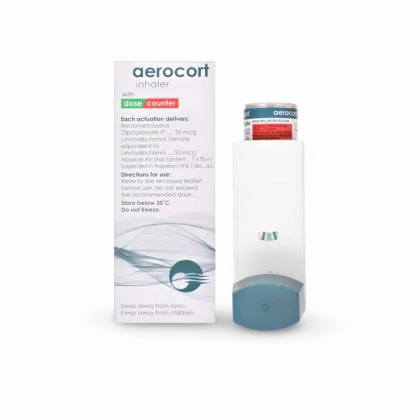
Aerocort Inhaler 50 mcg + 50 mcg
Delivers a dual-action approach to airway management by reducing inflammation and opening restricted breathing passages.
Respiratory medications address chronic and acute airway conditions, including asthma, chronic obstructive pulmonary disease (COPD), and allergic rhinitis. The 22 formulations listed below span multiple drug classes—including short-acting bronchodilators like Asthalin and Ventorlin, inhaled corticosteroids like Beclate and Flixotide, and combination therapies such as Seroflo, Foracort, and Symbicort (along with other specialty respiratory options).
Delivers a dual-action approach to airway management by reducing inflammation and opening restricted breathing passages.
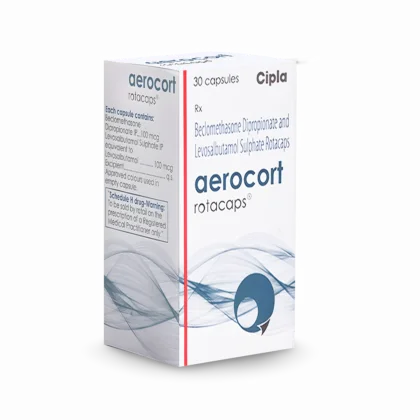
Combines a corticosteroid and a bronchodilator to both reduce airway inflammation and open restricted breathing passages.
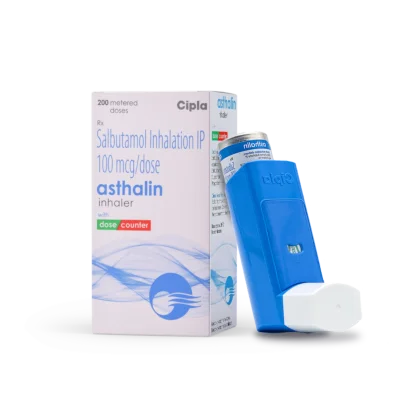
Relaxes the muscles in your airways to keep them open for easier breathing during respiratory flare-ups.
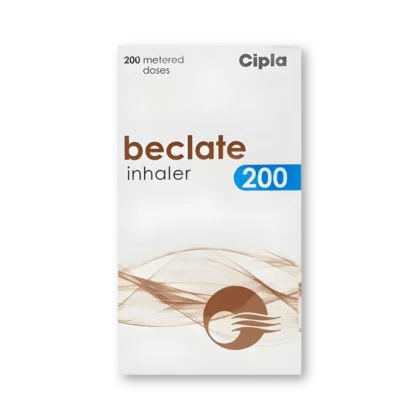
Reduces airway inflammation to prevent breathing difficulty and manage chronic respiratory conditions effectively.

Blocks the allergic response by binding to immunoglobulin E, preventing the inflammation that triggers asthma and hives.

Dual-action respiratory support that opens airways and relaxes muscles to improve breathing during chronic respiratory conditions.
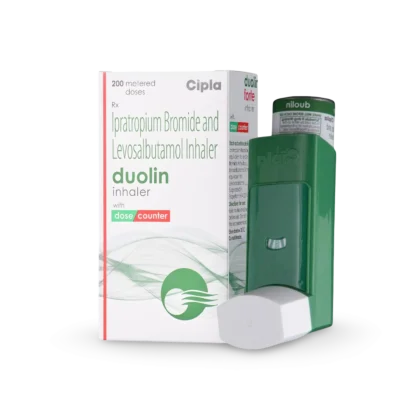
Opens constricted airways and eases breathing by relaxing bronchial muscles through dual-action lung relief.
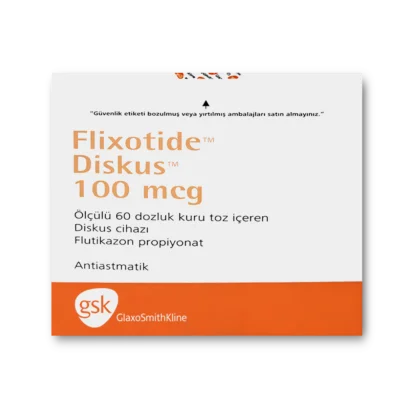
Reduces inflammation in the airways to prevent breathing difficulties and persistent symptoms associated with respiratory conditions.

Reduces inflammation in the airways to improve airflow and prevent symptoms like wheezing, tightness, and coughing.
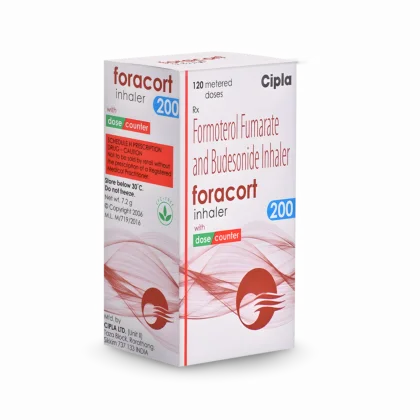
Opens constricted airways and reduces inflammation within the lungs to assist with easier breathing and airflow.

Combines a corticosteroid to reduce inflammation with a long-acting bronchodilator to open airways for easier breathing.

Reduces inflammation in nasal passages to help you manage lingering allergy symptoms throughout the seasons.
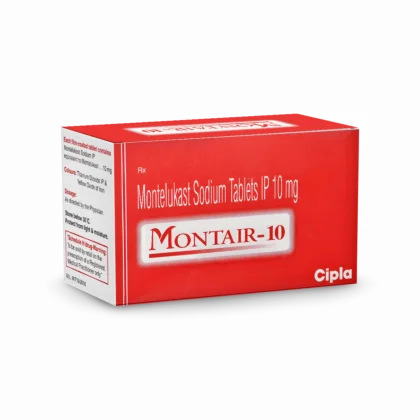
Blocks specific inflammatory proteins in the airways to help manage chronic asthma and seasonal allergy symptoms.

A combination inhaler that relaxes airways and reduces inflammation to support easier breathing in chronic conditions.
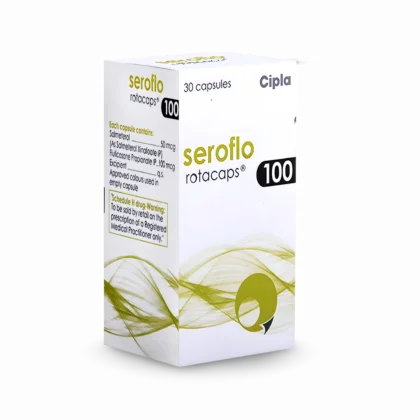
Supports clear airways by combining a long-acting bronchodilator to relax muscles and a steroid to reduce inflammation.
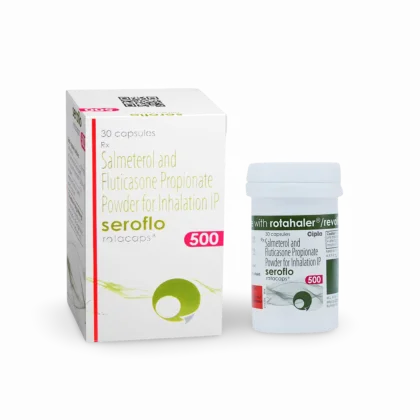
Combines a long-acting bronchodilator with an anti-inflammatory steroid to open airways and reduce chronic lung inflammation.
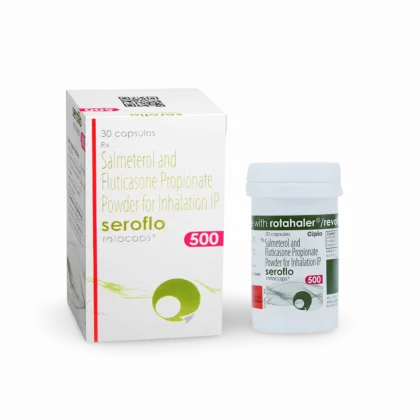
Opens constricted airways and reduces chronic inflammation in the lungs to support easier, more regular breathing.

Addresses airway inflammation and constriction with a dual-acting combination to support easier breathing in chronic respiratory conditions.
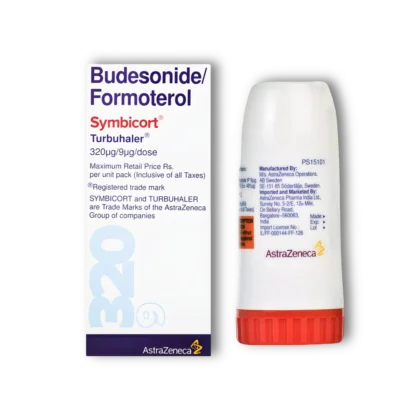
Controls inflammation and opens airways to facilitate easier breathing and reduce the frequency of respiratory flare-ups.
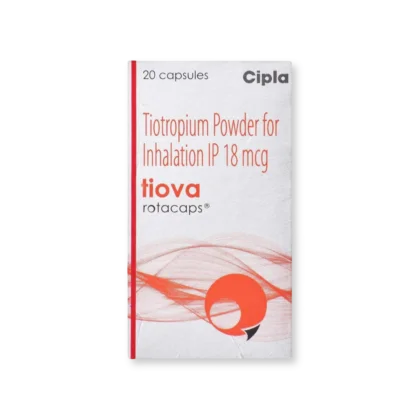
Relaxes airway muscles to improve breathing and reduces the frequency of symptom flare-ups in chronic respiratory conditions.

Addresses skin discoloration by slowing melanin production, reducing inflammation, and accelerating the natural cycle of skin turnover.
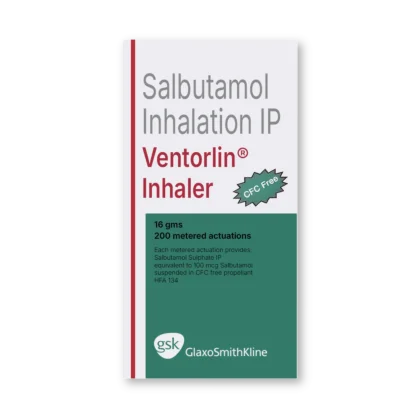
Relaxes the smooth muscles in your airways to keep passages open and ease shortness of breath.
Respiratory conditions involve the inflammation or narrowing of the airways, which can make breathing labored or uncomfortable. Medications in this category work by relaxing the muscles around the air passages or by reducing inflammation within the lungs and nasal passages. They are designed to improve airflow and facilitate easier breathing for individuals dealing with recurring lung health challenges.
This category encompasses treatments for both long-term management and immediate relief from symptoms like wheezing, shortness of breath, or congestion. Because lung health often requires a multi-pronged approach, these products are grouped by their ability to maintain open airways over time or provide quick assistance during an acute flare-up of symptoms.
Effective management of respiratory health typically involves a combination of preventative medications and rescue treatments. Bronchodilators, such as those found in Asthalin and Tiova, work rapidly to relax tightened airway muscles, providing immediate relief for breathing difficulties. These are often used as primary options for sudden symptoms of asthma or COPD.
Inhaled and systemic corticosteroids, including products like Beclate and Flixotide, focus on the underlying inflammation. By lowering the swelling in the lung lining, these medications reduce the frequency of symptoms and promote better long-term lung function. Patients across international markets often coordinate with providers to determine whether a single-agent inhaler or a combination formula is more appropriate for their specific history.
Leukotriene modifiers, such as Montair, serve a specific role by blocking substances in the body that cause airway constriction and inflammation. These oral options are often added to a treatment plan to address persistent symptoms that do not respond to inhaled therapies alone. Using the right combination depends on the severity of the airflow limitation and the specific triggers involved.
These medications act directly on the muscles surrounding the bronchial tubes. Short-acting versions provide quick relief during an episode of breathlessness, while long-acting varieties help maintain open airways throughout the day. They allow for targeted delivery, meaning most of the medication reaches the lung tissue while minimizing the impact on the rest of the body.
Corticosteroids are foundational in managing chronic inflammation associated with asthma and COPD. By settling the immune response within the bronchial passages, they prevent the airway sensitivity that leads to constriction. Regular, consistent use is the standard approach for these formulations to ensure maximum control over daily respiratory comfort.
These products combine a bronchodilator with a corticosteroid to address both airway tension and inflammation in one device. Formulas like Seroflo, Foracort, and Symbicort simplify treatment by reducing the number of inhalations required. By covering two mechanisms of action simultaneously, these medications offer a convenient approach for those needing daily maintenance therapy.
Respiratory conditions require an accurate diagnosis by a healthcare provider, as symptoms like shortness of breath can be caused by various underlying issues. Understanding the difference between a rescue inhaler, meant for immediate symptom relief, and a maintenance inhaler, meant for daily control, is essential for safe use.
Different classes of respiratory medications can impact the heart rate or blood pressure, particularly with the use of bronchodilators. Some users may experience a temporary increase in pulse or mild tremors shortly after inhalation. These reactions are typically dose-dependent and vary significantly between individuals.
Individuals with pre-existing heart conditions, high blood pressure, or thyroid issues should discuss these factors with a provider, as certain respiratory medications may interact with these conditions. Additionally, usage during pregnancy or in older adults necessitates a clinical assessment to confirm the appropriate dose and delivery method. Product labeling and verified clinical sources remain the correct references for specific contraindications, interactions, and potential reactions.
Respiratory medications consist of various pharmacological classes, including bronchodilators and corticosteroids, designed for managing conditions like asthma and COPD. Every product listed has unique active ingredients, formulations, strengths, and specific administration directions. This page serves an educational purpose and does not authorize self-directed selection, clinical interpretation, or unsupervised use of any listed medication. Readers should review individual product labeling and consult a qualified healthcare professional when clinical judgment or medical guidance is needed.