
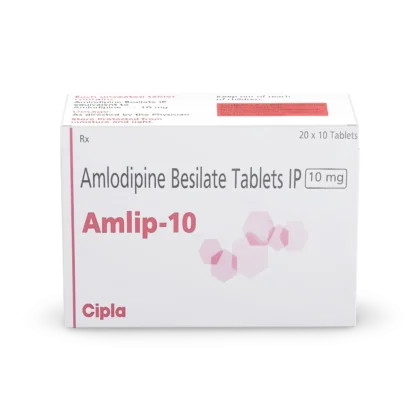
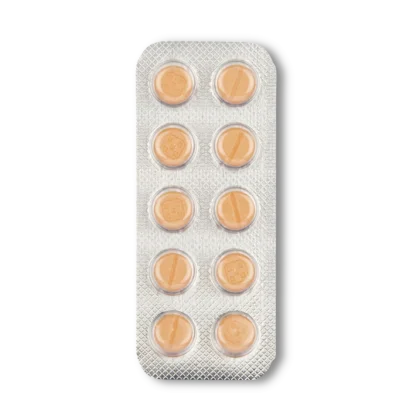
Amlip 10 Mg Tablet
Relaxes blood vessel walls to improve circulation and lower the force required for the heart to pump.
Heart and Blood Pressure medications address high blood pressure, angina, heart failure, and cardiovascular risk management. The 17 formulations listed below span multiple drug classes, including calcium channel blockers like Amlip and Angispan, diuretics like Lasix and Aquazide, beta blockers such as Nebicard, and antiplatelet agents like Brilinta for protecting your circulatory health.
Relaxes blood vessel walls to improve circulation and lower the force required for the heart to pump.
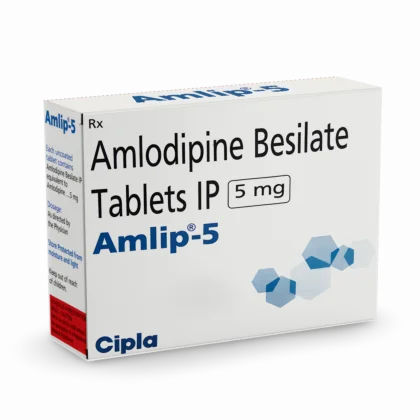
Relaxes blood vessel walls to improve circulation, reducing the force your heart needs to pump blood.
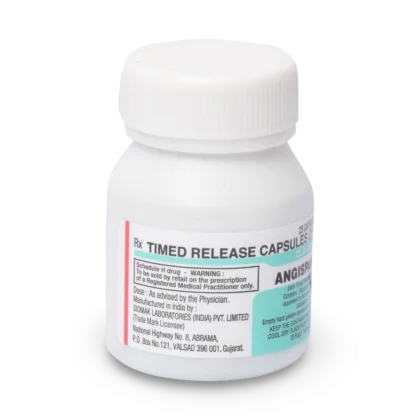
Relaxes smooth muscles in blood vessels to improve oxygen delivery and ease blood flow-related symptoms.
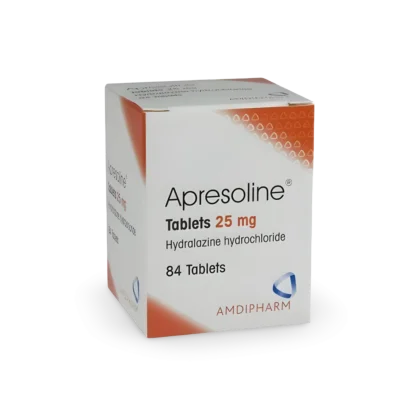
Relaxes blood vessel walls to lower systemic blood pressure and reduce the workload on the heart.
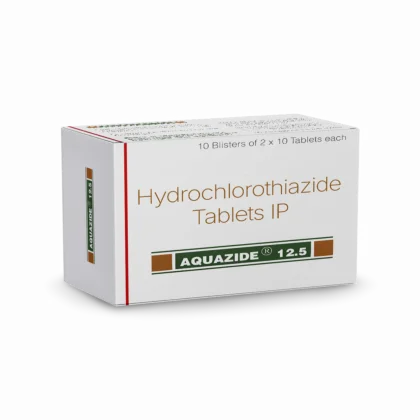
Reduces excess body fluid and lowers blood pressure by helping your kidneys eliminate extra salt and water.

Reduces nerve signaling intensity to lower blood pressure and stabilize vascular responses in various conditions.
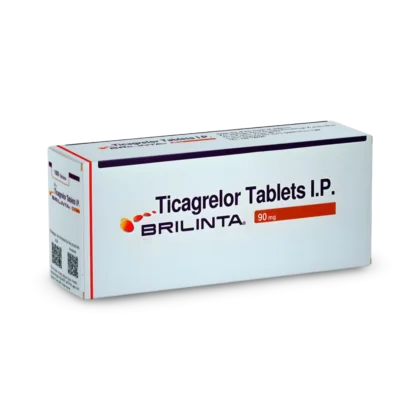
Reduces the formation of blood clots by preventing platelets from clumping together in your vascular system.
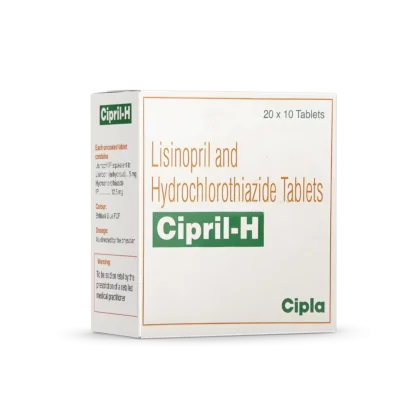
Reduces blood pressure and eases fluid buildup by helping your kidneys remove excess salt and water.
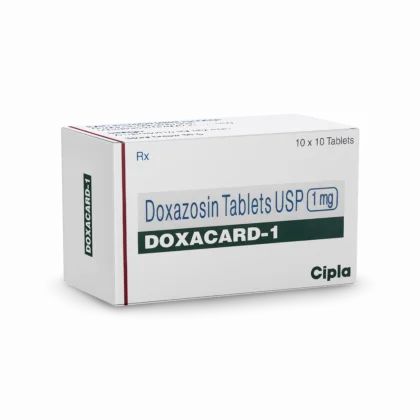
Relaxes smooth muscle in blood vessels and the prostate to improve blood flow and urinary comfort.
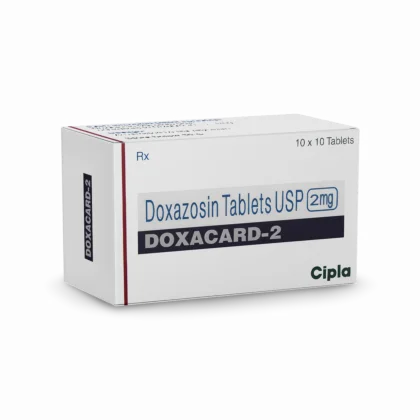
Relaxes blood vessel walls to improve flow and eases muscle tension around the bladder to assist urination.
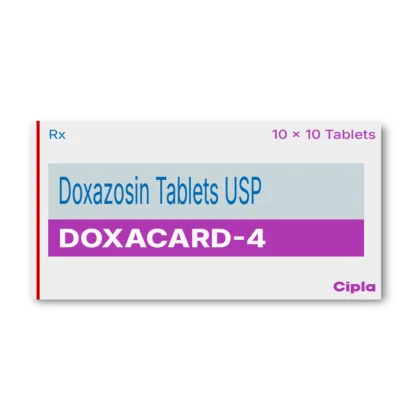
Relaxes smooth muscle tissue in blood vessels and the prostate to improve blood flow and urinary comfort.

Promotes the elimination of excess water and salt through kidneys to reduce swelling and lower blood pressure.

Reduces excess body fluid by helping your kidneys remove extra water and salt through your urine.
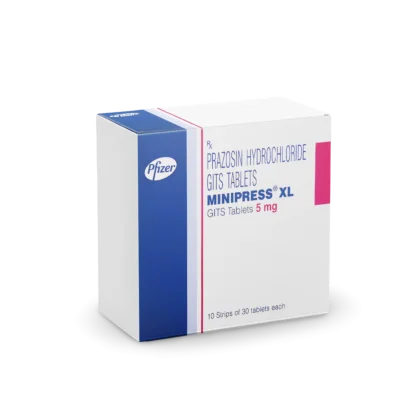
Selectively blocks receptors in blood vessels to encourage relaxation, lowering pressure and improving urinary flow symptoms.
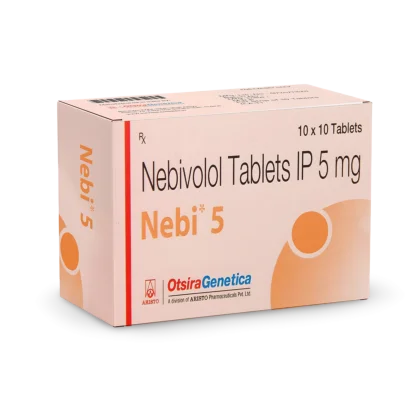
Blocks specific receptors to lower heart rate and relax blood vessels, reducing overall strain on circulation.
Blocks specific receptors to lower blood pressure and decrease the workload on your heart muscle.

Relaxes smooth muscle tissue to increase blood flow and relieve discomfort in localized areas.
This therapeutic category encompasses a range of conditions affecting the heart and the efficiency of your blood vessels. When blood pressure remains consistently elevated, the heart must work significantly harder to pump, which places strain on the entire cardiovascular system. Common conditions managed within this category include hypertension—also known as high blood pressure—angina, which presents as chest pain due to reduced blood flow, and various forms of heart failure.
These conditions are grouped together because they share foundational vascular mechanisms and often require similar approaches to monitoring and management. For many individuals, cardiovascular health is managed by balancing fluid volume, vessel diameter, and the rhythmic workload of the heart muscle. Understanding this connection is the first step in discussing a management strategy with your healthcare provider.
Successful management of these conditions typically involves targeting specific physiological pathways that regulate how your blood circulates through your body. Drug classes frequently used include diuretics, beta blockers, calcium channel blockers, ACE inhibitors, and antiplatelet agents. Because each class targets a different aspect of your heart function, providers often choose based on an individual patient’s specific health history and blood pressure profile.
Regulatory oversight for these medications varies across global markets. Patients across the United States, United Kingdom, Australia, and Canada, as well as other international markets, coordinate with local healthcare providers to determine which medication is necessary for their specific needs. Accessing these treatments requires clinical oversight to ensure that the chosen medication aligns with your overall cardiovascular health data and existing treatment plan.
The medications listed in this category work through distinct pathways to influence your cardiovascular system. These classes are used to address different symptoms or underlying causes of vascular strain.
Diuretics assist by helping your kidneys remove excess salt and water from your system. By reducing the overall fluid volume in your veins and arteries, they naturally lower the pressure against which your heart must pump. ACE inhibitors work differently by blocking the production of a substance that narrows your blood vessels, allowing them to remain open and relaxed.
Calcium channel blockers prevent calcium from entering the muscle cells of your heart and blood vessels. This action allows your vessels to widen and relax, which lowers blood pressure and improves blood flow to the heart muscle itself. Beta blockers focus on the heart rate directly. By blocking the effects of adrenaline, they cause your heart to beat more slowly and with less force, which reduces the workload placed on the heart muscle.
Antiplatelet agents work by preventing blood cells from sticking together to form clots. These are often used for individuals at risk of cardiovascular events to ensure blood continues to circulate efficiently. Nitrates are primarily used for angina. They act quickly to widen your blood vessels, providing immediate relief for chest pain by allowing more oxygen-rich blood to reach your heart.
Before initiating any cardiovascular medication, complete clinical evaluation is necessary. Your provider considers your current heart rhythm, kidney function, and existing health conditions to identify the most appropriate class for your profile. These medications are not interchangeable, as each affects the cardiovascular system through different mechanisms.
Different classes of heart medications can produce distinct physiological responses. For example, some individuals may experience shifts in heart rate or blood pressure that require careful monitoring during the early stages of use. Because these medications influence systemic blood pressure, you should remain vigilant for symptoms of lightheadedness or dizziness as your body adjusts to the new treatment.
Many heart medications are susceptible to interactions with other substances, supplements, or prescription drugs. Your liver and kidney health play a significant role in how your body processes these agents, and certain pre-existing conditions can change the risk profile of specific classes. Product labeling and verified clinical sources remain the correct references for specific contraindications, interactions, and potential reactions.
This information provides an educational overview of Heart and Blood Pressure medications and the classes involved, not medical advice. Individual products differ in active ingredient, formulation, strength, and directions for use. This page does not authorize self-directed selection, clinical interpretation, or unsupervised use of these medications. Please review individual product labeling and speak with a healthcare professional to identify the correct approach for your personal health situation.