
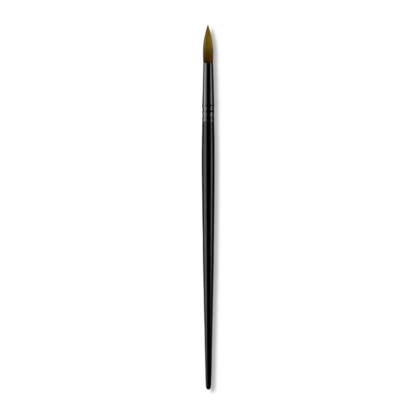
Actavis Bimatoprost (With Brush) 300 mcg (0.03%)
Reduces elevated pressure within the eye by increasing the outflow of fluid from the eye chamber.
Eye Care medications address a variety of ocular conditions, ranging from dry eye syndrome to glaucoma and ocular surface inflammation. The 14 formulations listed below encompass several distinct therapeutic classes, including prostaglandin analogs like Careprost and Bimat, lubricants like Eyemist Forte to address dryness, and specific anti-infectives including Natamet, Locula, and Xinep for various eye health needs.
Reduces elevated pressure within the eye by increasing the outflow of fluid from the eye chamber.
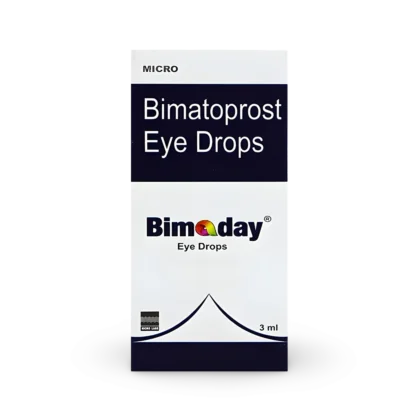
Reduces intraocular pressure by increasing the natural outflow of fluid from the chambers of the eye.
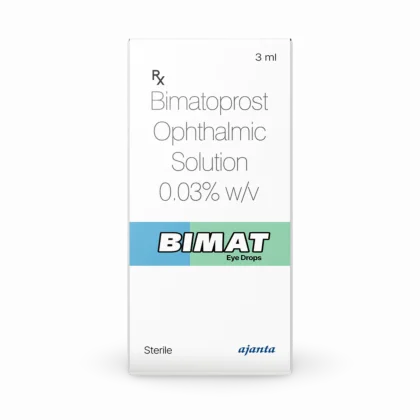
Reduces intraocular pressure by increasing fluid drainage from the eye to maintain healthy optic nerve function.
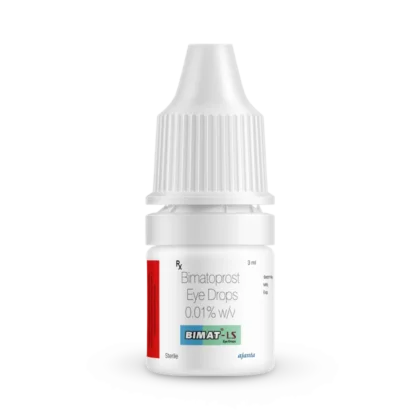
Increases the outflow of fluid from the eye to lower pressure or stimulates hair follicle growth.
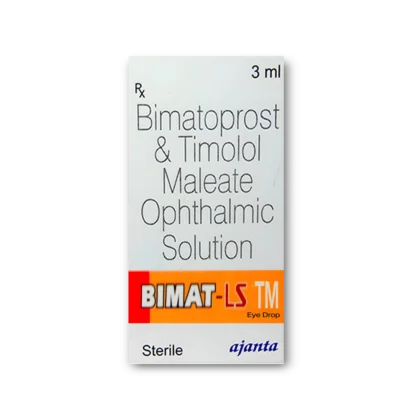
Reduces intraocular pressure by increasing fluid drainage and lowering production rates in the eye tissue.
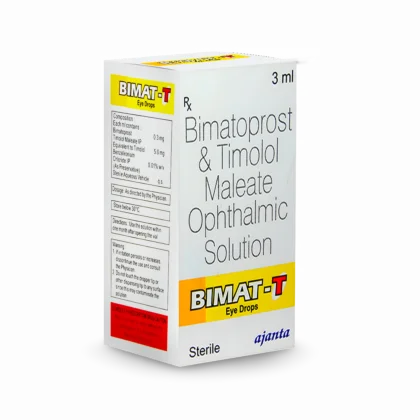
Reduces elevated fluid pressure within the eye by increasing drainage and curbing excess fluid production.
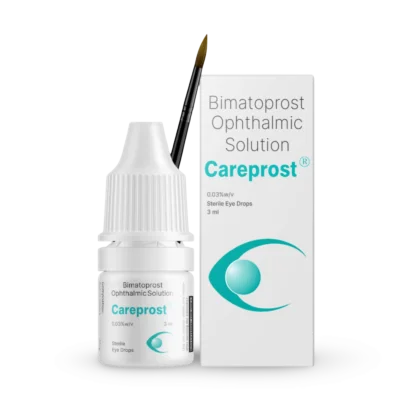
Reduces intraocular pressure in the eye by increasing fluid drainage and modifies eyelash growth patterns.
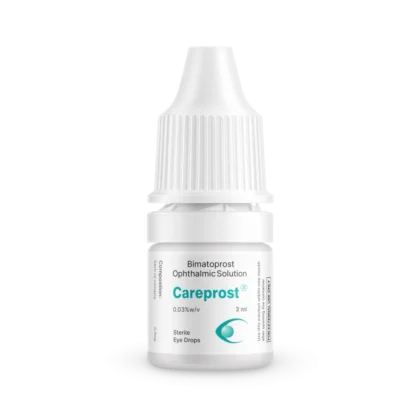
Reduces intraocular pressure by promoting fluid outflow and stimulates eyelash growth through follicle cycle extension.
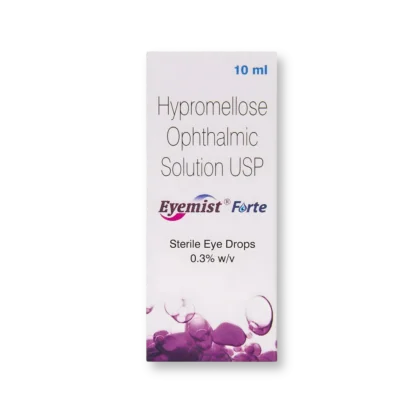
Soothes ocular surface dryness by mimicking natural tears to restore consistent moisture and comfort to eyes.
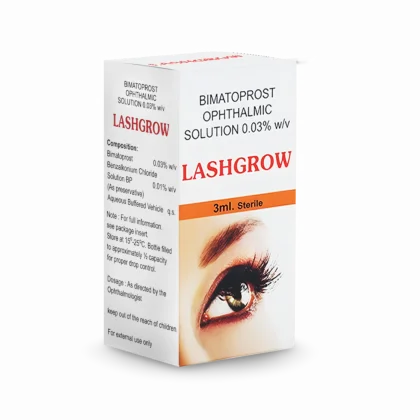
Increases the thickness and length of eyelashes while lowering elevated pressure within the eye chamber.
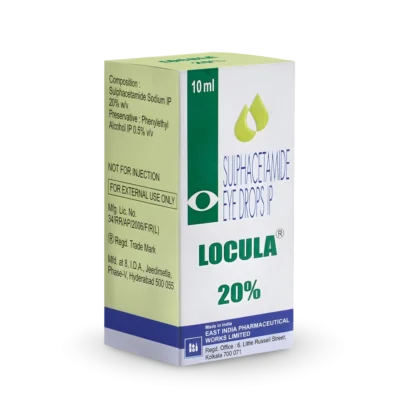
Targets bacterial growth directly in the eye to interrupt infection cycles and support your natural recovery.
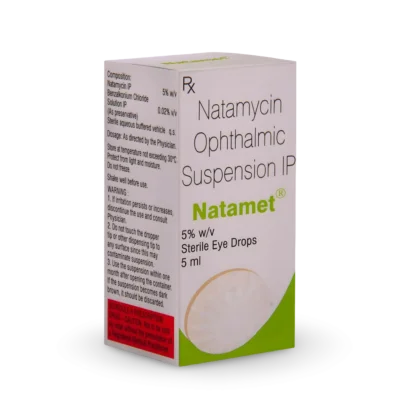
Targets fungal growths in ocular tissue by binding to sterols and disrupting fungal cell wall integrity.
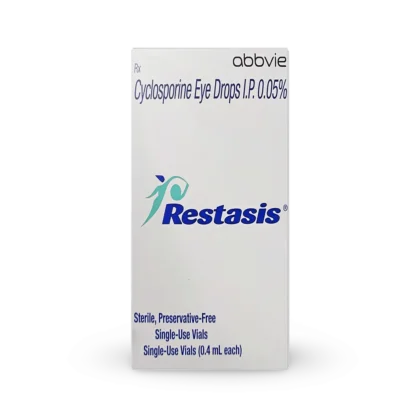
Increases natural tear production by reducing inflammation on the surface of the eye to soothe dryness.
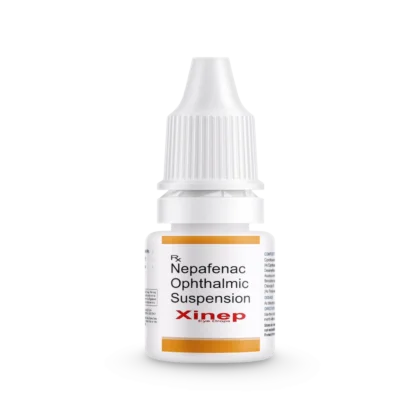
Reduces inflammation and eye pain by inhibiting enzymes involved in the production of prostaglandin messengers.
Eye Care encompasses medical and supportive treatments designed to maintain ocular integrity and visual comfort. These conditions often arise from physiological imbalances, such as the insufficient production of natural tears, or structural issues within the eye that impede the drainage of ocular fluids, leading to increased pressure. By addressing these underlying mechanisms, these medications assist in managing chronic symptoms and preventing potential damage to vision.
Conditions commonly addressed in this area include glaucoma, which is characterized by high intraocular pressure, and ocular surface diseases such as chronic dry eye. Additionally, this category includes treatments for localized infections and inflammation. While the conditions vary, they are unified by the necessity for specialized, targeted delivery systems that ensure active ingredients reach the delicate tissues of the eye safely and effectively.
Treatment approaches within this category depend heavily on the specific condition being managed. Patients experiencing glaucoma often require medications that improve fluid outflow from the eye to lower overall pressure. Conversely, those dealing with dry eye syndrome utilize lubricating agents to protect the cornea and restore the moisture balance of the tear film. Infections and inflammatory states require precise pharmacological agents that target bacteria or fungi while remaining tolerable for the ocular surface.
Access to these treatments varies by jurisdiction across international markets. While certain lubricating solutions are widely available over the counter, medications intended for glaucoma management or the treatment of active infection typically require a clinical assessment and a professional recommendation. This regulatory structure ensures that patients use the appropriate strength and class of medication for their specific diagnosis.
Prostaglandin analogs represent a primary intervention for managing elevated intraocular pressure. These agents work by increasing the outflow of fluid from the eye, which effectively reduces the pressure that can otherwise damage the optic nerve. They are typically administered as once-daily formulations and are frequently utilized in long-term treatment plans for ocular hypertension or glaucoma.
Lubricants and emulsions are used to provide relief from discomfort associated with dry, irritated, or fatigued eyes. These products mimic the composition of natural tears to soothe the ocular surface and reduce friction during blinking. Emulsions like Restasis provide more targeted support for inflammatory-related dryness, assisting the eye in maintaining its natural moisture levels throughout the day.
This category includes sulfonamides and antifungal agents designed to address bacterial or fungal infections. These formulations work by inhibiting the growth and reproduction of pathogens that compromise eye health. Because the eye is a highly sensitive environment, these medications are formulated to address the infection while minimizing potential irritation to the conjunctiva and cornea.
Before beginning any regimen, it is essential to confirm the underlying cause of your symptoms. Ocular conditions often present with overlapping signs, such as redness or blurred vision, but require entirely different pharmacological approaches. Ensure your treatment plan accounts for any pre-existing eye conditions or history of allergic reactions to preservatives commonly found in bottled drops.
Different classes of eye medications interact with the ocular surface in distinct ways. Some patients may experience stinging or a localized sensation upon application, which usually dissipates quickly. Other treatments, particularly those affecting internal eye pressure, may lead to changes in pigmentation or lash growth over extended periods. Monitoring for signs of irritation or unexpected changes in vision is a standard part of treatment management.
Always inform your provider if you wear contact lenses, as many eye drops contain preservatives that can be absorbed by lenses and cause significant irritation. Systemic health factors, including heart and lung conditions, may also influence the choice of medication, particularly for glaucoma, as some active ingredients can have effects that extend beyond the eye. Product labeling and verified clinical sources remain the correct references for specific contraindications, interactions, and potential reactions.
This educational overview describes general Eye Care medication classes and is not a substitute for clinical advice. Individual products differ regarding their active ingredients, concentration, recommended application, and contraindications. This information does not authorize self-directed selection, clinical interpretation, or unsupervised use of any listed medication. Readers should review the specific labeling provided with each product and speak with a qualified healthcare professional when clinical judgment or medical diagnosis is required to ensure safe and appropriate treatment.