

Aciloc 150 mg
Reduces stomach acid production to ease symptoms like heartburn, acid reflux, and internal digestive irritation.
Digestive Health medications address conditions like acid reflux, gastroesophageal reflux disease (GERD), and general gastrointestinal discomfort. The 10 formulations listed below span several drug classes—including proton pump inhibitors like Omesec and Neksium, H2 blockers like Aciloc, prokinetic agents such as Moza, and anti-emetic medications like Vomistop for nausea.
Reduces stomach acid production to ease symptoms like heartburn, acid reflux, and internal digestive irritation.
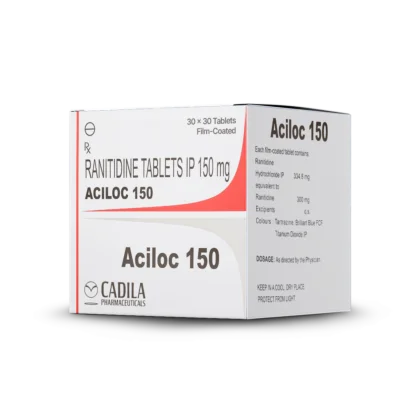
Reduces stomach acid production to ease symptoms of acid reflux and support healing of digestive tissue.
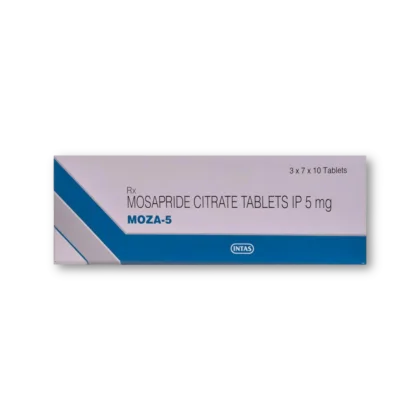
Supports normal digestive motility by stimulating receptors in the gut wall to improve stomach emptying.
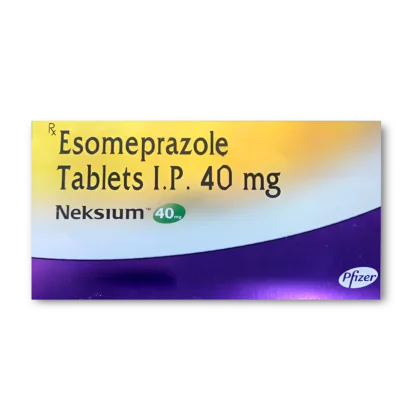
Reduces stomach acid production to provide relief from persistent heartburn and support the healing of ulcers.
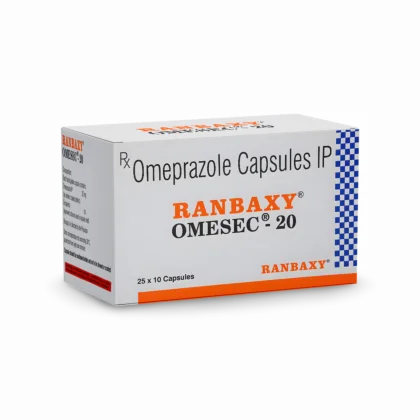
Reduces stomach acid production by blocking the enzyme responsible for final acid secretion in the stomach lining.
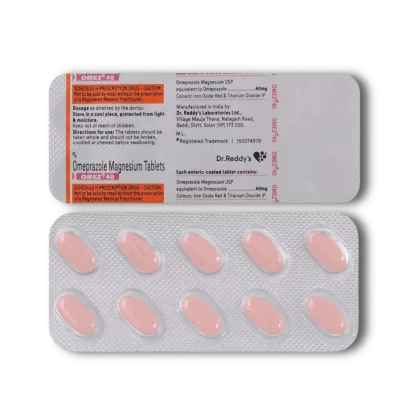
Reduces stomach acid production to relieve symptoms of acid reflux and support healing of gastric tissue.
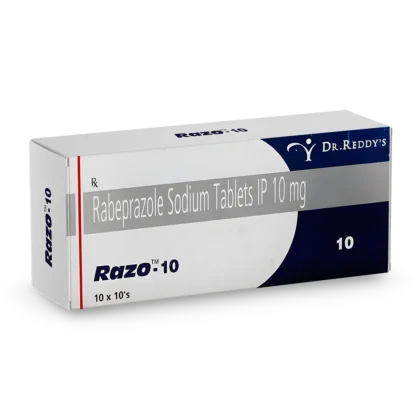
Reduces acid production in your stomach to assist with symptom resolution and healing of delicate digestive tissues.
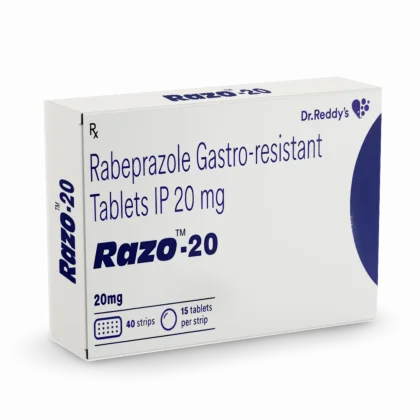
Reduces acid production in the stomach to manage symptoms of acid reflux and support digestive healing.
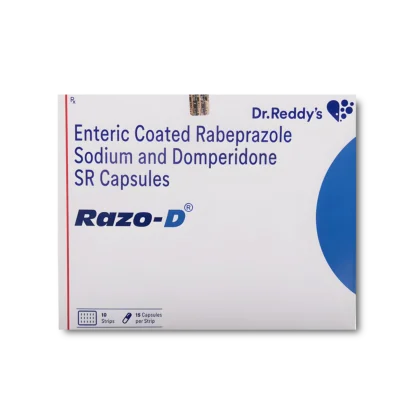
Reduces stomach acid production while accelerating digestive movement to ease persistent heartburn and nausea symptoms.
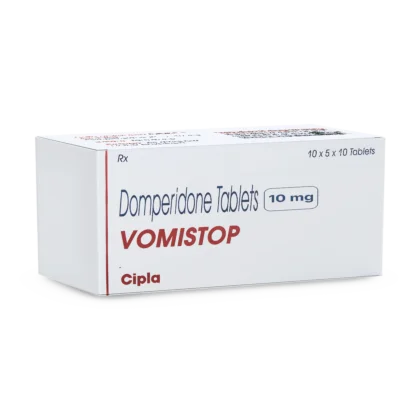
Blocks dopamine receptors to speed up digestive movement and reduce the urge to finish meals in discomfort.
Digestive health refers to the proper functioning of the gastrointestinal tract, which consists of the mouth, esophagus, stomach, and intestines. When this system experiences issues, it can manifest as chronic acidity, heartburn, or slowed digestion. These conditions are frequently grouped together because they often arise from similar triggers—such as excess stomach acid production or disruptions in the natural movement of food through the digestive canal.
Many individuals seek support for these issues when dietary changes or lifestyle modifications are insufficient to manage persistent symptoms. Because the digestive system is complex, targeted medications aim to neutralize or limit acid production, protect the lining of the stomach, or encourage smoother muscle contraction. Understanding the underlying source of discomfort is key to identifying which class of medication may align with a particular health situation.
Management plans for digestive issues often focus on addressing the specific mechanism causing the distress. Medications in this category typically act by reducing the volume of acid produced in the stomach, balancing existing acidity levels, or improving the efficiency of the digestive system’s muscular contractions. Many of these medications, such as proton pump inhibitors (PPIs) and H2 receptor antagonists, are widely used across global markets to provide symptom relief.
The drug classes available vary based on the specific condition being addressed. For example, conditions characterized by excessive acid require agents that suppress acid secretion at the source, while conditions involving delayed stomach emptying or nausea often use prokinetic agents or anti-nausea medications. Because regulations regarding the access and classification of these treatments vary between jurisdictions in markets like the United States, United Kingdom, Australia, and Canada, it is essential to align your treatment path with professional guidance.
PPIs are commonly used for the management of conditions like GERD and peptic ulcers. These medications work by blocking the enzyme in the stomach wall responsible for secreting acid, providing sustained relief from heartburn and related discomfort. They are often chosen for their ability to provide long-lasting control of acid levels compared to other options.
H2 blockers reduce the amount of acid your stomach produces by blocking histamine receptors in the stomach lining. They are frequently used for the management of heartburn and indigestion. These medications generally have a faster onset of action than PPIs but may offer a shorter duration of effect, making them suitable for specific types of intermittent digestive distress.
Prokinetic agents assist in the management of digestive issues by stimulating the muscles of the gastrointestinal tract to contract more effectively, which helps food move through the system. Anti-nausea medications work on specific chemical pathways involved in the sensation of feeling sick. These classes are distinct from acid-suppressing drugs and address the functional timing and comfort of the digestive process.
Before initiating any new treatment for digestive concerns, verify that the intended use matches your specific symptoms. Chronic digestive issues can sometimes mask more complex underlying health conditions that require clinical investigation. Self-management should only occur after ensuring the selected category is appropriate for your current health status and medical history.
Individual responses to acid-suppressing and motility-related medications vary. Some formulations may cause changes in bowel habits or vitamin absorption when used over extended periods. Because different classes of medications affect the digestive tract through unique biochemical pathways, the potential for individual sensitivity depends heavily on the specific medication class chosen.
Many digestive medications can alter how well your body absorbs other prescribed treatments, potentially changing their intended effect. It is important to account for existing renal or hepatic function, as these systems play a role in processing digestive medications. Product labeling and verified clinical sources remain the correct references for specific contraindications, interactions, and potential reactions.
This overview of digestive health and the medication classes listed is for educational purposes only and does not constitute medical advice or a diagnosis. Each product listed carries unique active ingredients, strengths, and specific directions for use. This platform does not authorize self-directed selection, clinical interpretation, or unsupervised use of any pharmacy product. Always review the detailed product labeling provided and consult with a qualified healthcare professional when clinical judgment is required for your digestive health.