
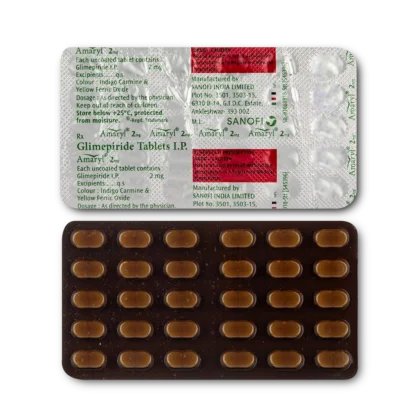
Amaryl 2 Mg
Supports glucose management by stimulating the pancreas to release insulin, helping maintain healthy blood sugar levels.
Diabetes medications manage blood glucose levels, address insulin sensitivity, and support metabolic function across different types of diabetes. The 10 formulations listed below span multiple drug classes—including biguanides like Bigomet and Glycomet, sulfonylureas like Amaryl and Semi Daonil, DPP-4 inhibitors like Januvia and Trajenta, SGLT2 inhibitors like Oxra, and insulin combinations like Humalog Mix.
Supports glucose management by stimulating the pancreas to release insulin, helping maintain healthy blood sugar levels.
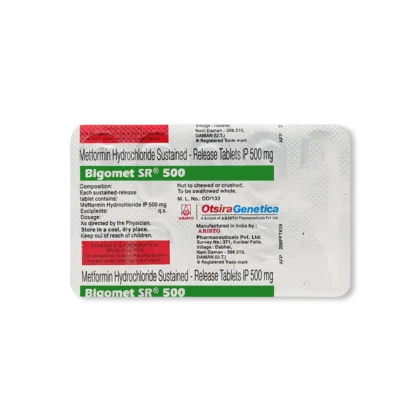
Improves how your body responds to insulin and lowers glucose production in the liver after meals.
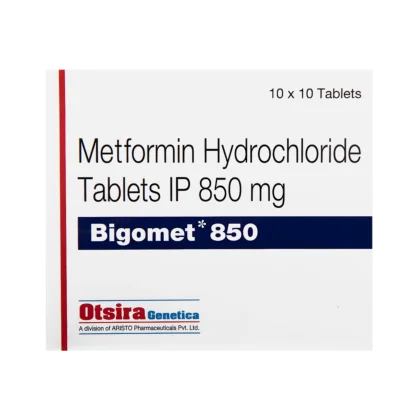
Optimizes how the body balances blood sugar levels by improving insulin sensitivity and lowering glucose liver production.
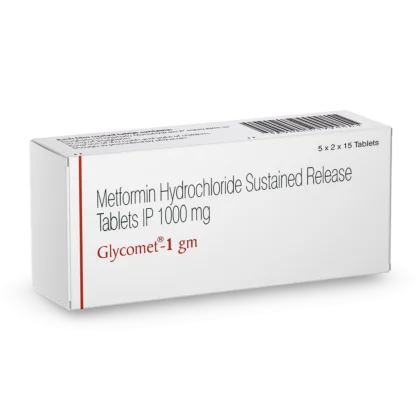
Improves how your body responds to insulin and lowers the amount of sugar produced by the liver.
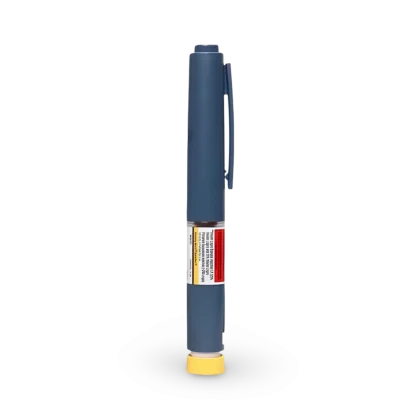
Regulates blood glucose levels by enabling cells to absorb sugar efficiently after meals and throughout the day.
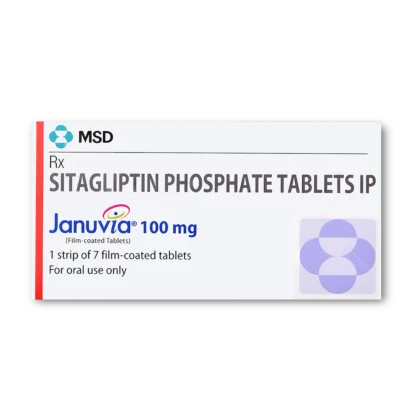
Promotes insulin production and regulates blood sugar levels by blocking enzymes that break down natural incretin hormones.
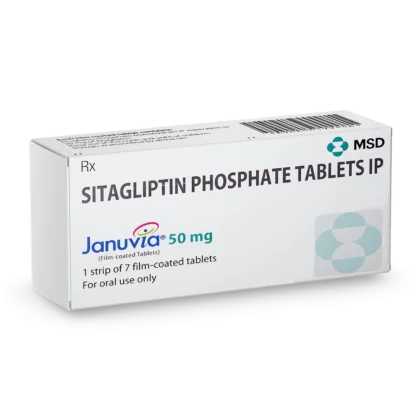
Regulates insulin release and suppresses excessive glucose production to maintain stable blood sugar levels in patients.
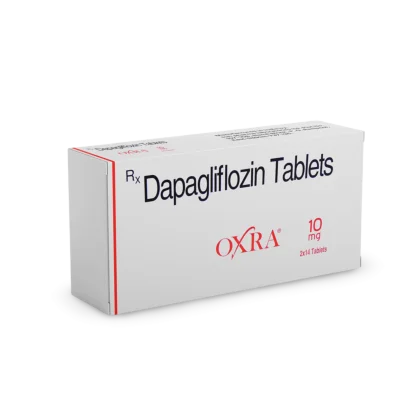
Supports blood glucose levels by helping your kidneys remove excess sugar through your daily urine output.

Supports blood glucose management by triggering the pancreas to produce more natural insulin throughout the day.
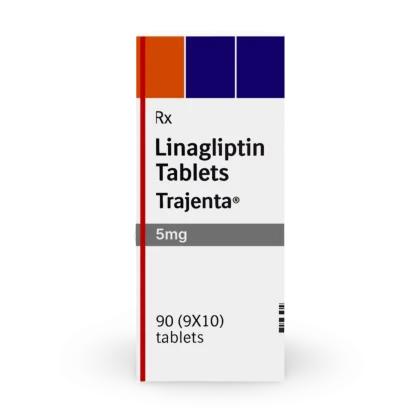
Supports blood glucose levels by increasing natural hormones that stimulate insulin production after you eat.
Diabetes refers to a group of metabolic conditions characterized by elevated blood glucose levels sustained over time. When your body cannot produce enough insulin or effectively use the insulin it makes, glucose accumulates in the bloodstream instead of fueling your cells. This chronic condition requires careful monitoring and often consistent medical intervention to maintain healthy glucose ranges.
These medications are grouped together because they share the primary clinical objective of achieving glycemic control. While the underlying causes of type 1 and type 2 diabetes differ regarding insulin production and cellular resistance, the shared treatment goal involves balancing glucose levels to minimize long-term impact on the eyes, kidneys, nerves, and cardiovascular system.
Successful management typically involves a combination of lifestyle adjustments and pharmacological support. Medications in this category work through different physiological pathways to manage blood sugar, such as increasing insulin release, improving cellular response to insulin, or encouraging the kidneys to remove excess glucose through urine.
Treatment approaches vary across global markets, though standard clinical practice often begins with oral medications that improve the body’s sensitivity to its natural insulin. As conditions evolve, your provider may integrate multiple classes of medication or transition to insulin-based therapies to achieve target glucose levels.
Biguanides primarily focus on reducing the amount of glucose produced by your liver and increasing the body’s sensitivity to insulin. This class acts as a foundational agent in management strategies, helping to stabilize levels without significantly increasing the risk of low blood sugar.
This class encourages your pancreas to release more insulin. By stimulating the beta cells within the pancreas, these medications effectively lower blood glucose after meals. They are often used when the body still maintains some baseline insulin production capacity.
DPP-4 inhibitors help your body maintain higher levels of incretin hormones, which are naturally released after eating. These hormones signal the pancreas to release more insulin when needed and instruct the liver to stop producing excess glucose. They generally carry a neutral profile regarding weight change.
SGLT2 inhibitors block the reabsorption of glucose in the kidneys, allowing the excess to exit your body through urine. This mechanism functions independently of insulin, offering a different pathway for glucose reduction while supporting broader cardiovascular and renal health goals.
Insulin-based therapies directly provide the hormone that your body is unable to produce or utilize effectively. These formulations are categorized by their onset and duration of action, allowing for precision in managing glucose levels throughout the day or in response to specific meals.
Glucose-regulating medications require precise calibration. Your provider assesses your overall metabolic profile, kidney function, and liver health to determine which class is appropriate for your situation. Starting treatment involves closely monitoring how your body responds to the initial introduction of a new medication.
Different classes of diabetes medications possess distinct profiles regarding side effects. Some agents may impact gastrointestinal comfort, while others relate more closely to the frequency of low blood sugar episodes or fluid balance. Understanding the specific nature of these reactions is a key part of your treatment monitoring process.
Many diabetes medications interact with other drugs used for cardiovascular or inflammatory conditions. Factors such as pre-existing heart health, renal health history, and age play a significant role in how you process these agents. Product labeling and verified clinical sources remain the correct references for specific contraindications, interactions, and potential reactions.
This category features medications used to support glucose regulation and metabolic health. These products differ significantly in active ingredient, mechanism, strength, and administration requirements. This page describes these classes for educational purposes and is not a substitute for clinical advice or diagnosis. You should not use this information to select or manage treatment without supervision from a healthcare professional who can account for your individual health status.