
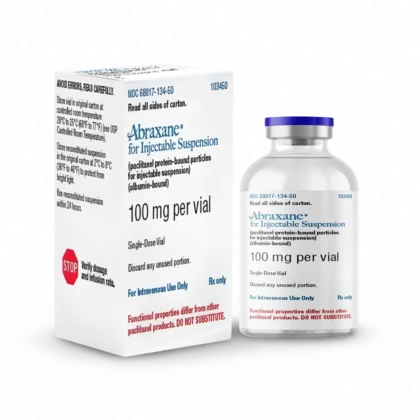
Abraxane 100 Mg Injection
Disrupts cancer cell division by stabilizing the internal scaffolding of cells to stop tumor growth.
Cancer treatment incorporates various pharmaceutical approaches designed to manage cell growth, inhibit tumor progression, and address hormonal influences. The 13 formulations listed below represent several critical drug classes, including targeted therapies like Krypton Erlotinib (erlotinib), hormone modulators such as Arimidex (anastrozole) and Mamofen (tamoxifen), and chemotherapy agents like Abraxane and Lipodox.
Disrupts cancer cell division by stabilizing the internal scaffolding of cells to stop tumor growth.
Reduces estrogen levels to limit the growth of hormone-dependent cancer cells in breast tissue.
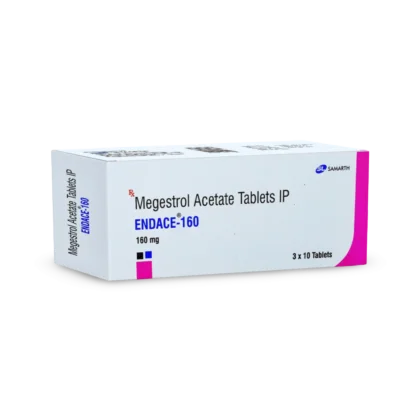
Supports nutritional intake and manages condition-related weight loss by altering hormonal balance within the body.
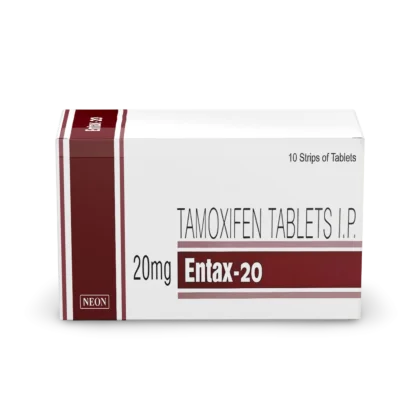
Blocks estrogen receptors in breast tissue to slow the growth of hormone-sensitive cancer cells.
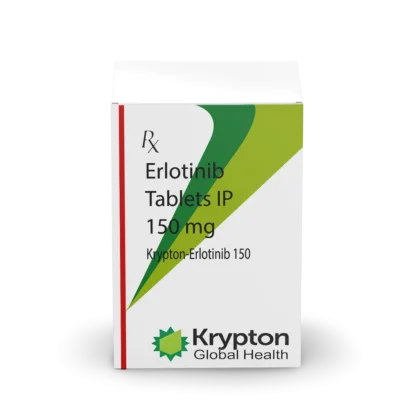
Blocks specific cellular signals that drive uncontrolled cell division in certain types of lung and pancreatic tumors.
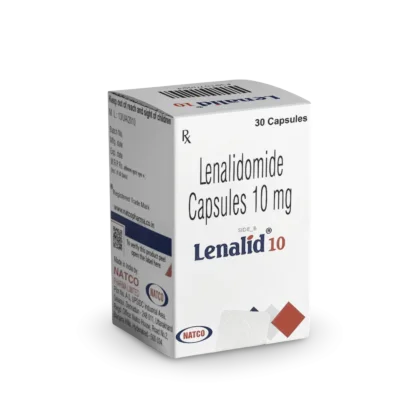
Modulates the immune system to target abnormal cells and prevent the development of cancerous tumor growth.
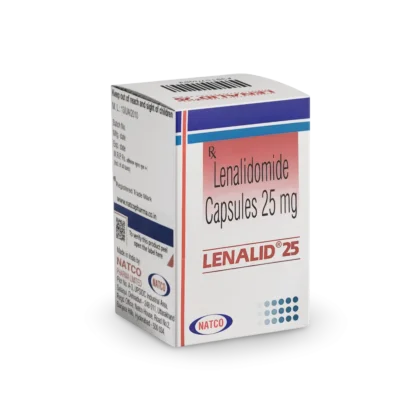
Targets cancer cell growth and modulates the immune response to interfere with malignant cell survival.
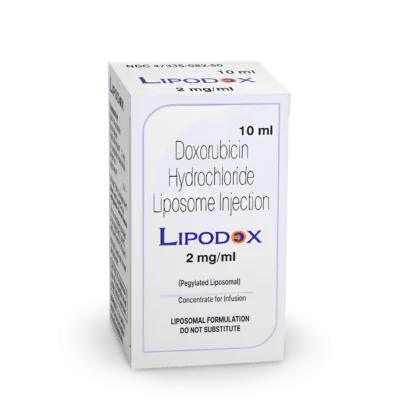
Delivers potent anti-neoplastic compounds within protected lipid spheres to target malignant cells while minimizing systemic impact.

Suppresses sex hormone production to slow the growth of hormone-sensitive cells in the body.
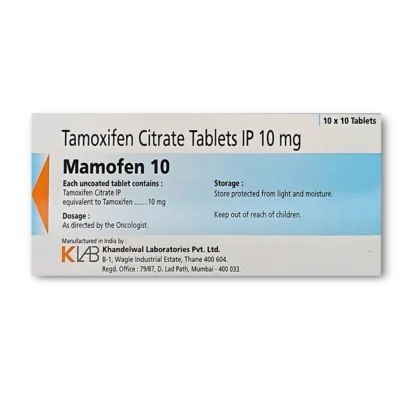
Blocks estrogen receptors in specific tissues to stop hormone-dependent cells from growing and dividing in breast tissue.
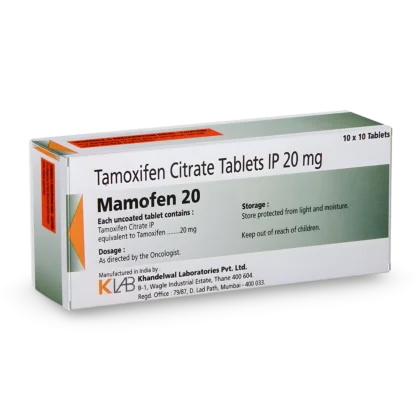
Blocks estrogen receptors in breast tissue to slow the growth and spread of certain hormone-sensitive cancer cells.
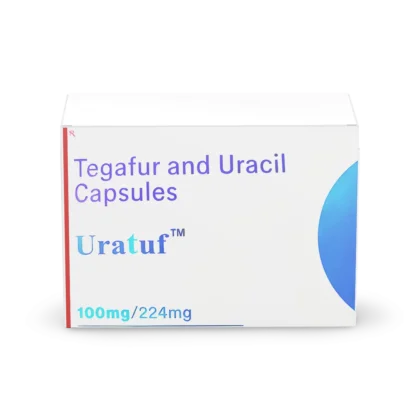
Combines two active compounds to disrupt cancer cell division by blocking the synthesis of essential genetic material.
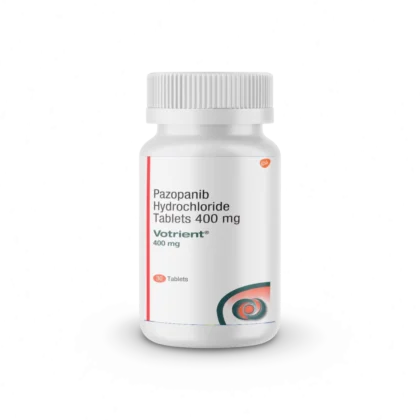
Targets protein kinases involved in tumor blood supply to reduce the rate of cancer cell growth.
Cancer treatment involves a complex range of interventions tailored to the specific characteristics of a malignancy. These medications are categorized by their mechanism of action, which may involve destroying rapidly dividing cells, blocking signals that cause cells to grow, or altering the hormonal environment that fuels certain types of cancer. Clinicians select these options based on the type of tumor, the stage of the condition, and specific genetic markers.
The primary goal of systemic cancer treatment is to slow disease progression and achieve control over tumor activity. Because cancers behave differently depending on their location and cellular structure, treatment regimens are rarely uniform. Patients often receive a combination of pharmacological approaches to address the condition effectively while minimizing impact on healthy surrounding tissue.
Oncological medications function through distinct pharmacological pathways. Chemotherapy agents circulate throughout the body to disrupt the cellular replication process in fast-growing cells. Targeted therapies, by contrast, focus on specific molecules involved in cancer growth, often resulting in more precise action against malignant cells. Patients across different international markets may encounter these medications as part of a supervised protocol overseen by an oncology team.
Hormone modulators represent another major category within this therapeutic area. These drugs prevent the body from producing certain hormones or block the receptors that cancer cells use to respond to them. These are frequently utilized in conditions such as breast cancer where tumor growth is hormonally driven. The accessibility and regulatory classification of these agents remain consistent across most major global health systems, provided they are administered under professional supervision.
These medications identify and attack specific proteins or genes that contribute to cancer growth. By focusing on these unique markers, targeted therapies aim to interrupt the communication signals that tell cancer cells to multiply. These are often used as part of personalized treatment plans where genomic testing helps identify which patients will respond best to specific inhibitors.
Chemotherapy drugs are the foundation of many treatment protocols. These agents work by damaging the structure of cancer cells or interfering with their ability to split and form new cells. While highly effective at managing rapid cell proliferation, they often affect healthy cells that have a high rate of turnover. Modern formulations focus on improving the delivery of these drugs to reduce systemic exposure.
Hormone therapy serves as an essential component in managing cancers related to the endocrine system. These medications work by either lowering the levels of hormones in the body or by interfering with the way hormones interact with cancer cells. They are typically prescribed for long-term management to reduce the risk of recurrence and are central to the maintenance of hormonal balance during and after treatment.
Antineoplastic treatment requires a rigorous clinical evaluation of a patient’s overall health, including cardiac function, blood counts, and metabolic indicators. Pre-existing health conditions can significantly influence how the body processes these medications, necessitating a personalized approach to selecting the appropriate class and strength.
The physiological effect of these treatments serves as a hallmark of the oncology field. Because these drugs target cellular growth, patients may experience various reactions as healthy cells are also affected. Tolerability varies widely between individuals, and close clinical monitoring is standard practice to manage these reactions and ensure treatment adherence.
Many cancer medications carry a high potential for drug-drug interactions, particularly when used in combination with other prescriptions or over-the-counter supplements. The liver and kidneys are primary pathways for the clearance of these agents, meaning that baseline function of these organs must be monitored throughout the course of treatment. Product labeling and verified clinical sources remain the correct references for specific contraindications, interactions, and potential reactions.
This category contains diverse pharmaceutical agents intended for the management of malignant conditions and should never be used without professional oversight. These medications have specific indications, risks, and contraindications that require clinical interpretation by an oncologist. This information is intended for educational purposes and does not authorize self-directed selection or treatment. You must review the label of your specific product and speak with a healthcare professional regarding any clinical concerns.