

Acivir 400 mg
Targets viral DNA replication to stop the spread of infection and ease the duration of outbreaks.
Antivirals medications prevent viruses from replicating within the body, managing infections and reducing the severity of symptoms. The 10 formulations listed below include specialized treatments for herpes simplex and varicella-zoster, such as Acivir, Herpival, and Valcivir, as well as antiretroviral agents used for hepatitis B management, including HepBest and Tenvir EM.
Targets viral DNA replication to stop the spread of infection and ease the duration of outbreaks.

Interrupts viral replication to manage outbreaks and lower the duration of viral skin conditions effectively.

Slows viral replication to reduce the severity and duration of recurrent herpes simplex outbreaks on skin.

Targets viral replication by inhibiting the enzyme responsible for DNA synthesis, effectively lowering viral presence in blood.
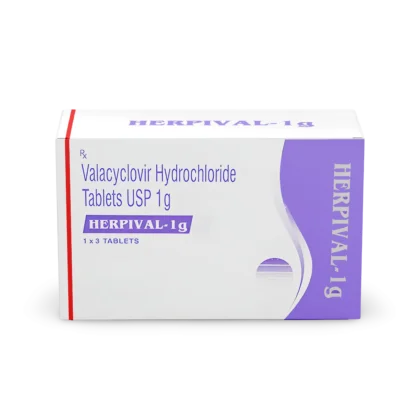
Blocks viral replication by interfering with DNA synthesis, helping to reduce the duration of viral outbreaks.
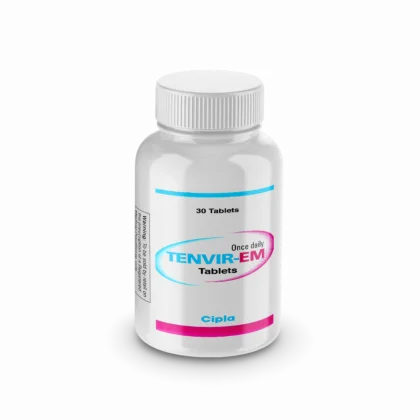
Blocks viral replication by inhibiting the enzymes required for viruses to multiply within your own cells.

Interferes with viral DNA replication to slow the progression of common herpes virus infections.

Blocks viral DNA replication to stop the spread of infection during outbreaks of cold sores or herpes.
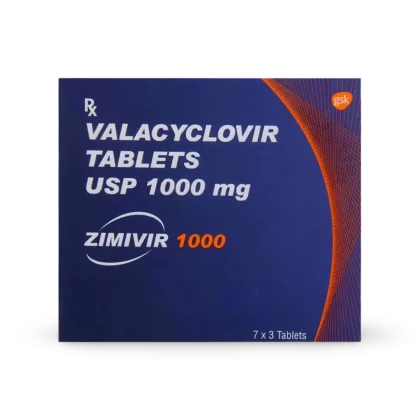
Reduces the duration of viral outbreaks by inhibiting the production of new viral DNA within infected cells.
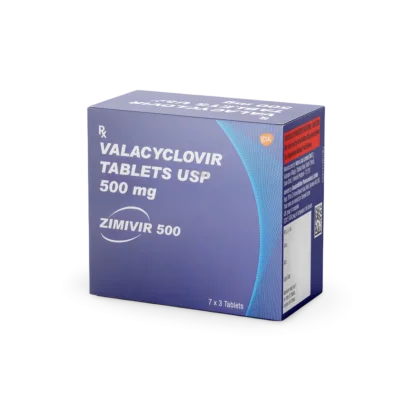
Blocks viral DNA replication to stop the spread of infection and reduce the duration of symptoms.
Antivirals are designed to interfere with the life cycle of specific viruses. By targeting viral enzymes or preventing the virus from entering healthy cells, these medications limit the spread of infection throughout the body. Unlike antibiotics, which target bacteria, these agents must match the specific biological structure and replication method of the target virus to be functional.
Patients often use these medications to address recurring or chronic viral conditions. Common conditions managed within this category include herpes simplex (cold sores and genital herpes), varicella-zoster (shingles and chickenpox), and chronic hepatitis B. Because these conditions involve viruses that can remain dormant in the body, treatment often focuses on managing outward symptoms or preventing the progression of long-term liver or skin complications.
Treatment approaches vary based on the type of virus and the patient’s clinical situation. For acute viral outbreaks like shingles or herpes, practitioners typically use nucleoside analogues that stop the virus from duplicating its genetic material. For chronic conditions like hepatitis B, the focus shifts to sustained viral suppression to protect organ function, often requiring specialized antiretroviral therapies.
Access to these medications differs significantly across international markets, including the United States, United Kingdom, Australia, and Canada. In many of these regions, most antivirals are prescription-only items managed through controlled health systems. Regulations vary depending on whether the medicine is formulated for acute flare-ups or long-term chronic disease management, necessitating individual guidance from a local provider to ensure the selected class matches the specific health need.
Antiviral agents are categorized based on their mechanism of action and the specific viruses they address. Understanding these distinctions is fundamental when discussing treatment options with a healthcare professional.
These formulations mimic the building blocks of viral DNA. When the virus attempts to replicate, it incorporates these “false” blocks into its structure, which terminates the process. Medications like aciclovir and valaciclovir are common examples, frequently prescribed to reduce the duration and pain associated with dermatological viral outbreaks.
Used primarily for chronic infections like hepatitis B, these agents interfere with the specific enzymes viruses use to copy themselves within human cells. These therapies are potent and are typically designed for daily use. Because they interact with complex viral pathways, they are strictly regulated to minimize the risk of drug resistance and ensure systemic efficacy.
Topical formulations deliver the medication directly to the site of an infection. These are often used for superficial viral lesions to provide localized concentration of the active ingredient while minimizing systemic exposure. They serve as an adjunct to systemic treatments for patients experiencing recurring localized symptoms.
Antivirals require an accurate assessment of kidney and liver health, as these organs are responsible for filtering or processing many of these agents. Patients with pre-existing organ conditions or those currently taking other medications should discuss potential interactions, as the effectiveness of the treatment depends on maintaining stable levels of the medication in the bloodstream.
While generally tolerated, these medications may affect individuals differently depending on their overall health and the duration of treatment. Reactions are usually mild, but clinicians prioritize monitoring to ensure the medication is not causing unnecessary strain on the body’s natural systems. If symptoms persist or worsen, the treatment plan is typically re-evaluated by a professional.
Viral medications can interact with various supplements and other prescription drugs. Providing a full history of health conditions—particularly those involving immune function or organ health—is necessary to prevent adverse outcomes. Product labeling and verified clinical sources remain the correct references for specific contraindications, interactions, and potential reactions.
This page provides an educational overview of Antivirals and the medication classes listed; it does not constitute medical advice. Individual products differ in active ingredient, formulation, strength, and directions. This page does not authorize self-directed selection, clinical interpretation, or unsupervised use of any medication. Readers should review individual product labeling and speak with a healthcare professional when clinical judgment is needed to safely address specific health concerns or viral conditions.