
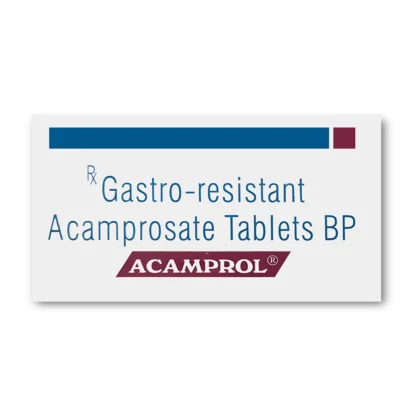
Acamprol 333 Mg
Supports physical restoration in the brain by balancing chemical signals disrupted during chronic alcohol intake.
Alcohol Dependence medications address alcohol use disorder and alcohol dependence maintenance. These treatments aim to help individuals achieve and sustain abstinence by managing physiological cravings or creating a physical aversion to alcohol. Three formulations are listed, including Acamprol (acamprosate) for craving management and Dizone and Esperal (both disulfiram) for aversion-based support.
Supports physical restoration in the brain by balancing chemical signals disrupted during chronic alcohol intake.
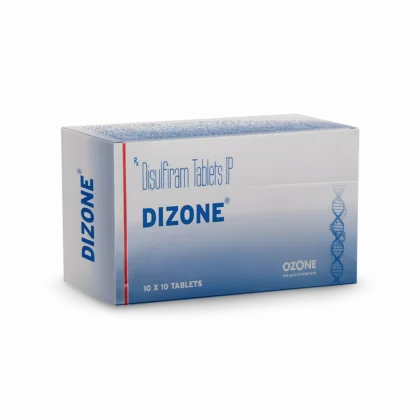
Creates an unpleasant physical reaction to alcohol ingestion to assist with long-term abstinence goals.
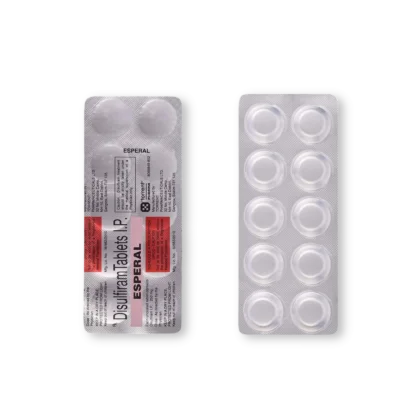
Alters the way your body processes alcohol to discourage consumption through an unpleasant physical reaction.
Alcohol dependence is a complex health condition characterized by a loss of control over alcohol intake, persistent physical cravings, and the emergence of withdrawal symptoms when consumption ceases. This category includes medications designed to support individuals as they navigate the transition from active use to abstinence. These treatments are most effective when paired with behavioral therapy and ongoing clinical support in international markets.
When someone experiences physical dependence, the brain and body adapt to the consistent presence of alcohol. Attempting to stop abruptly can result in significant physiological distress. Medications in this category serve as tools to assist with the process of stabilization, address the underlying neurochemical imbalances associated with long-term use, and support the patient’s ability to remain alcohol-free during the recovery journey.
Treatment for alcohol dependence focuses on reducing the physiological drive to drink or deterring alcohol consumption through negative reactions. Because individual responses vary, healthcare providers select medications based on a person’s medical history, current stage of recovery, and specific treatment goals.
Drug classes commonly utilized include glutamate modulators and aversion agents. Glutamate modulators work by normalizing brain function in areas impacted by alcohol, which can reduce the intensity of psychological cravings. Aversion agents operate differently; they interact with the body’s metabolism of alcohol to produce unpleasant symptoms if alcohol is consumed, discouraging the intake of beverages. Across global markets, these classes are carefully managed by providers to ensure they align with the patient’s overall wellness plan.
The medications currently available for managing alcohol dependence generally fall into two distinct functional categories. Understanding these differences provides context for how these medications integrate into a recovery strategy.
These medications are designed to stabilize the brain’s chemical signaling and reduce the frequency and intensity of cravings. By helping to restore balance to neurotransmitters, they support individuals who have already become abstinent in remaining that way. They are generally taken daily and do not interact with alcohol to cause physical illness, but instead work to decrease the underlying desire to return to drinking.
Aversion agents are used to support abstinence through a process known as deterrent therapy. When a person takes this medication, their body becomes temporarily unable to process alcohol normally. Consuming alcohol while the medication is active leads to immediate, undesirable physical sensations, such as flushing, nausea, and rapid heart rate. These reactions serve as a tangible reminder to abstain, helping patients avoid impulsive drinking decisions.
Before initiating any medication for alcohol dependence, it is essential to discuss your complete medical history, including liver and heart health. Certain conditions may influence whether a specific class of medication is appropriate for your situation. Discussing your recent alcohol intake and current status with a provider is necessary to determine the appropriate timing for starting treatment safely.
Drug classes used for alcohol dependence involve different physiological mechanisms and, consequently, different profiles for tolerability. Aversion agents require strict adherence to medical guidance because of how they interact with alcohol in the system. Glutamate modulators are generally well-tolerated but may cause mild side effects as the body adjusts to the medication. Any change in physical or emotional condition should be monitored closely.
Medications in this category may interact with other substances, including over-the-counter drugs, herbal supplements, or other prescriptions. Because alcohol dependence often involves multiple health factors, a thorough review of all current medications is standard practice. Product labeling and verified clinical sources remain the correct references for specific contraindications, interactions, and potential reactions.
This overview of Alcohol Dependence and the medication classes listed serves as educational information only and is not medical advice. Individual products differ in active ingredient, formulation, strength, and clinical purpose. This page does not authorize self-directed selection, clinical interpretation, or unsupervised use of these medications. Readers should always review individual product labeling and speak with a qualified healthcare professional when clinical judgment regarding treatment, potential interactions, or health changes is needed.